Gaming without battle passes.
Takes without paywalls.
And stories without reposts.

Why Halloween: The Game Could Still Be Released in Australia
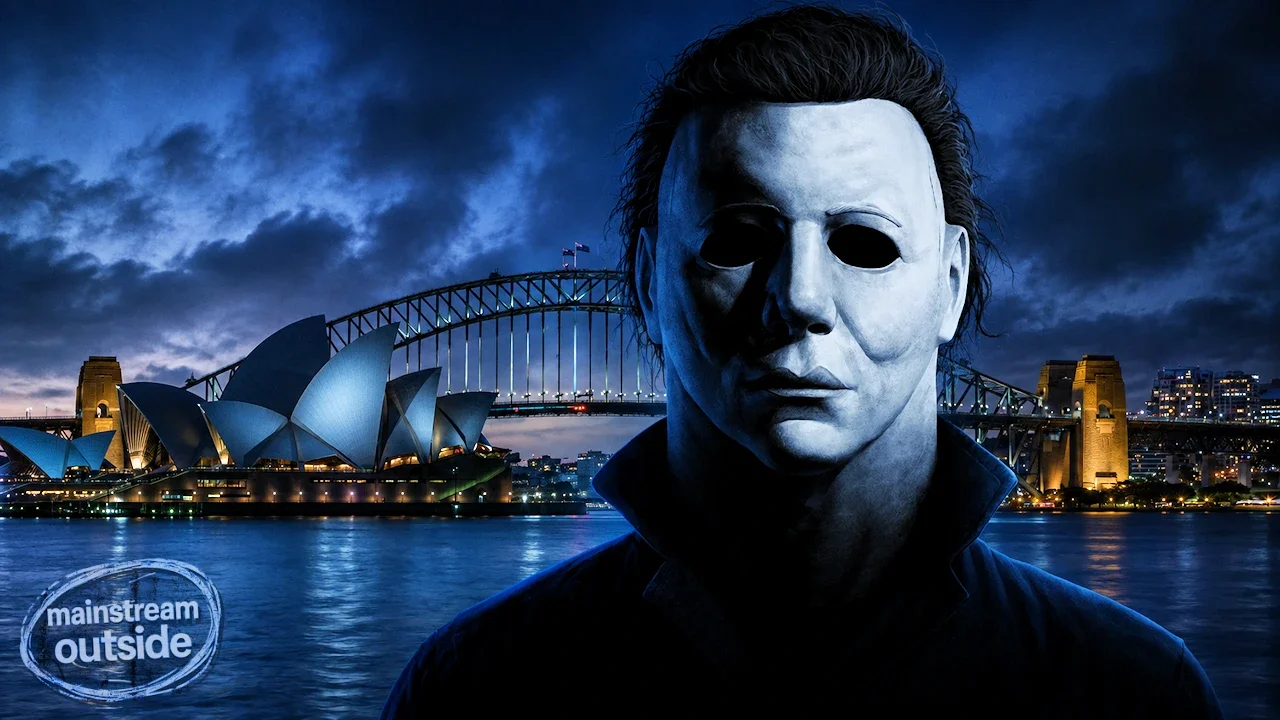
As developer IllFonic announced on X on August 9, its licensed survival horror title Halloween: The Game has been refused classification by the Australian Classification Board (ACB). Even so, there is a decent chance Michael Myers' latest killing spree could still make its way Down Under. Here's why.
Admittedly, IllFonic didn't sound particularly optimistic in the X post linked above about Australian horror fans getting their hands on Halloween: The Game anytime soon.
The studio said that, “despite every effort,” the Australian Classification Board had refused to classify the game. The reason given was the presence of a “controlled substance.” As things stand, that means the title cannot be sold physically or digitally in Australia. Full stop.
But how final is that full stop, really? Personally, I don't think IllFonic will necessarily leave it at that. After all, the ACB probably didn't refuse Halloween a rating simply because Michael Myers' potential victims – the Civilians – can smoke cannabis. The more likely issue is that doing so gives them a tangible gameplay advantage.
ACB: Drug use can't be tied to rewards
The Board's relevant guidelines are fairly clear on this point: the use of illegal drugs must not be tied to gameplay incentives or rewards. And judging by hands-on reports from the publicly playable PAX East 2026 build, Halloween appears to do exactly that.
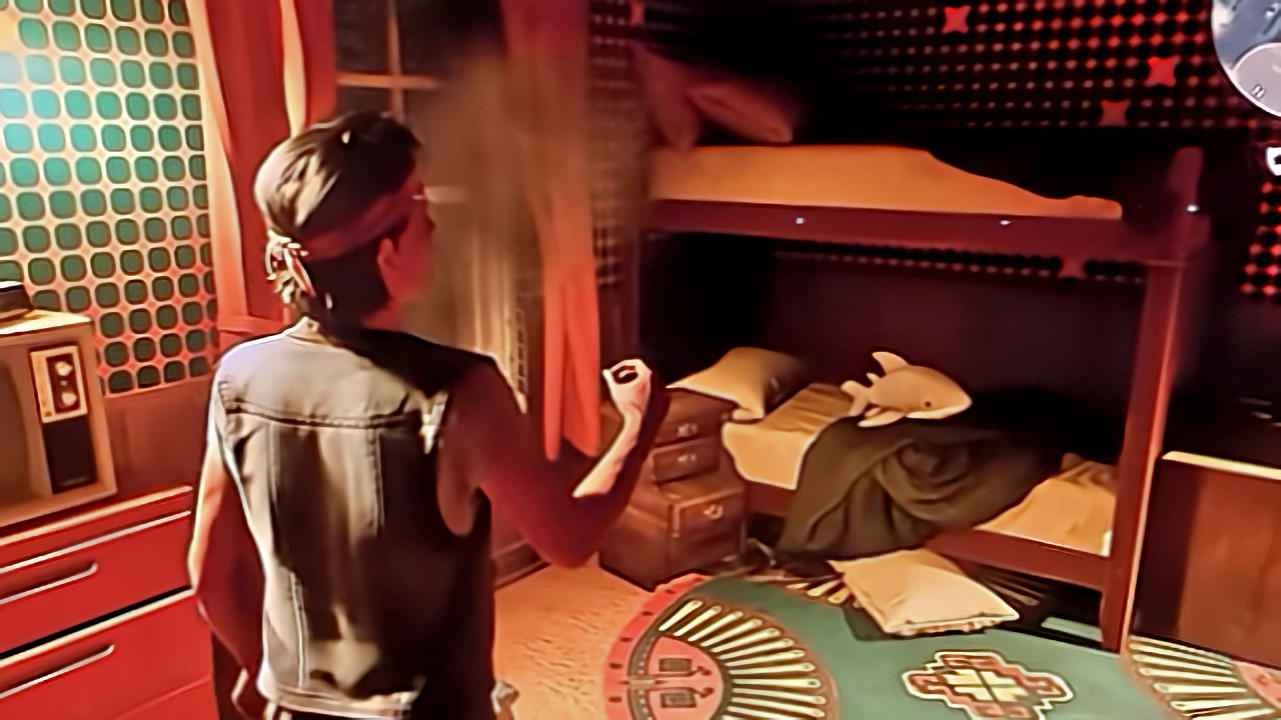
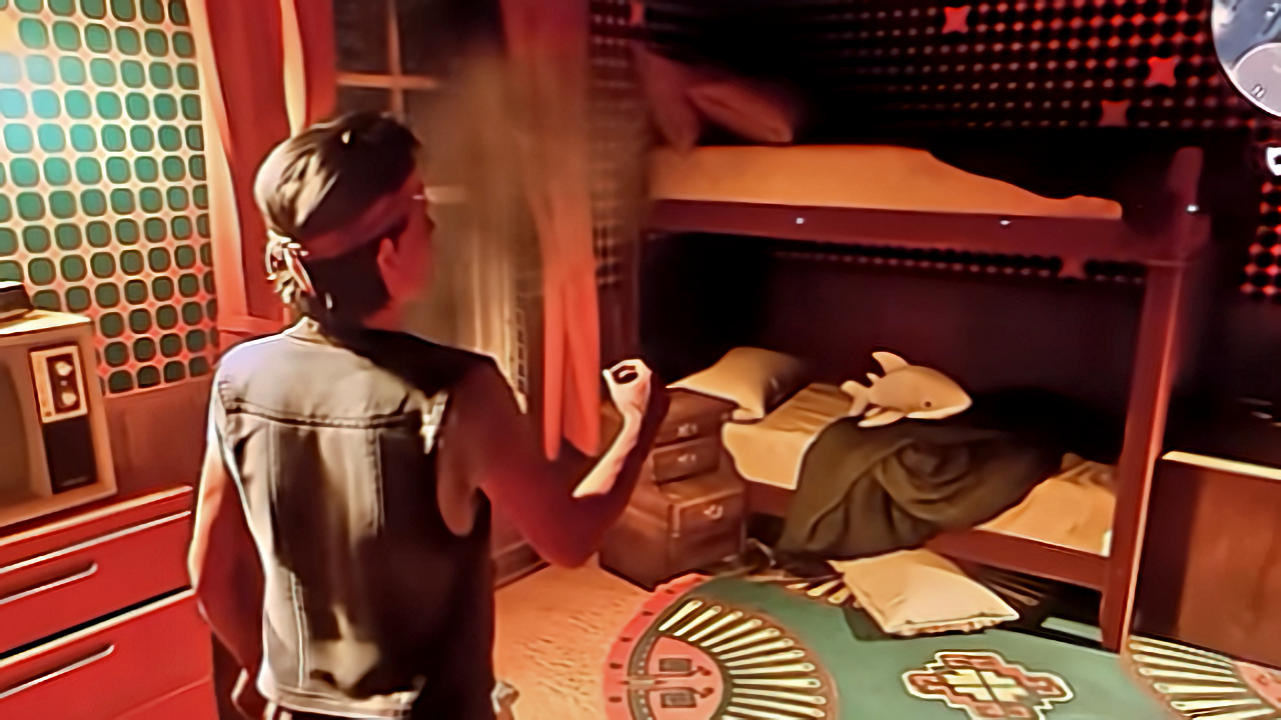
A Civilian with serious Street Fighter vibes expands his consciousness in the PAX East demo of Halloween: The Game.
Civilians can smoke cannabis to reveal Michael's pings on the map; a pretty clear gameplay advantage. So the developers seem to have taken the idea of “expanding your awareness” quite literally here. And there are several comparable cases suggesting that this is indeed what the ACB took issue with.
The original Australian version of We Happy Few, for example, was refused classification for much the same reason. The Board objected to the fact that taking the fictional drug “Joy” could make certain situations easier. At the time, the ACB explicitly stated that this benefit alone was enough to push the game beyond the limits of Australia's highest standard classification, R18+.
Conversely, there are games that have received an Australian rating despite featuring interactive cannabis use. One example is Life is Strange: Double Exposure, which received an R18+ rating. In that case, interactive marijuana use remained within the R18+ category, with the Board describing no gameplay bonus tied to the act.
Two possible routes back onto the Australian market
Cases like We Happy Few also show that an RC decision doesn't necessarily have to be the final word. After the Classification Board initially refused the game a rating, publisher Gearbox applied for a review by the separate Classification Review Board. That body reached a different conclusion and ultimately classified We Happy Few as R18+.
That gives IllFonic two possible routes forward: the studio or publisher could seek a review of the RC decision, or it could submit a slightly modified version of Halloween: The Game for classification. The latter approach has worked for some fairly prominent games in the past, including DayZ, State of Decay and Wasteland 3.
In DayZ, cannabis was simply removed from the relevant mechanic after the game was refused classification. The modified version subsequently received an MA15+ rating. State of Decay was also approved after changes were made to its problematic drug-related mechanics, while Wasteland 3 removed the interactive “Rocky Mountain Moosegrass,” allowing the revised version to be classified as well.
So IllFonic may not have to change all that much to secure an R18+ rating – or another classification – for Halloween in Australia. The joint could, for instance, be replaced with a neutral consumable such as an energy drink. Alternatively, IllFonic could simply remove the gameplay benefit associated with smoking it.
Whether such a change would have wider implications for the game's balance or amount to little more than swapping out or tweaking a single consumable is impossible to tell from the outside.
Whether cannabis in Halloween actually causes these kinds of visual effects isn't clear. In the demo, however, the screen did start to warp.
A formal review wouldn't be merely theoretical, either. An application to the Classification Review Board normally has to be filed within 30 days and currently costs AUD 10,000. For a commercial multiplatform release, that's hardly an astronomical sum.
Australia isn't an insignificant market
There are no publicly available regional preorder, wishlist or sales forecasts for Halloween: The Game in Australia. Even so, Australia is far from an insignificant gaming market, which gives IllFonic a clear financial incentive to consider making changes.
Australian consumers spent more than AUD 4.2 billion on games and related products in 2025, up twelve percent year over year. Digital video game sales alone accounted for more than AUD 1.4 billion.
Of course, those figures don't tell us how much revenue a $40 horror game like Halloween could realistically generate there. Still, is it really worth giving up an entire English-speaking market over what could turn out to be a relatively minor change? From a business perspective, I'm not convinced it is.
Crossing the line gets people talking
For those reasons, I think a later Australian release of Halloween: The Game – potentially in a slightly modified form – is entirely plausible.
There's another side effect that probably won't hurt IllFonic, either: classification controversies attract attention. Musicians figured out decades ago that a banned record often generates far more conversation than one that sails through without incident.
Whether IllFonic was specifically thinking about Australia's drug-related classification rules when it designed the cannabis mechanic is impossible to know. And there is no evidence whatsoever that the studio deliberately set out to provoke an RC rating.
"Halloween" goes back decades
What we can say is that the controversy has generated extra attention for Halloween: The Game. The X post announcing the refusal has also attracted noticeably more engagement than many of the routine posts on the game's official X account.
If IllFonic later changes the mechanic and manages to release the game in Australia after all, the whole episode could even have an interesting marketing upside: first, the refused classification generates headlines; then a delayed Australian launch gives the publisher another announcement to make.
For a licensed title like Halloween: The Game, that extra attention has value. Michael Myers may be one of horror's most recognizable characters, but his cinematic heyday was decades ago, and even a famous license doesn't make an asymmetrical multiplayer horror game a guaranteed hit in 2026.
IllFonic, meanwhile, is hardly inexperienced when it comes to handling well-known IP. The studio has already worked on games based on major licenses including Predator, Killer Klowns from Outer Space and Ghostbusters.
Either way, whether IllFonic actually applies for a review, submits a modified version or simply writes Australia off remains to be seen. For now, I think a later Australian release of Halloween: The Game is more likely than IllFonic permanently sticking with the cannabis mechanic in its current form.
Read next:
Comments