Gaming without battle passes.
Takes without paywalls.
And stories without reposts.
Why 2017 Still Haunts Horror Games
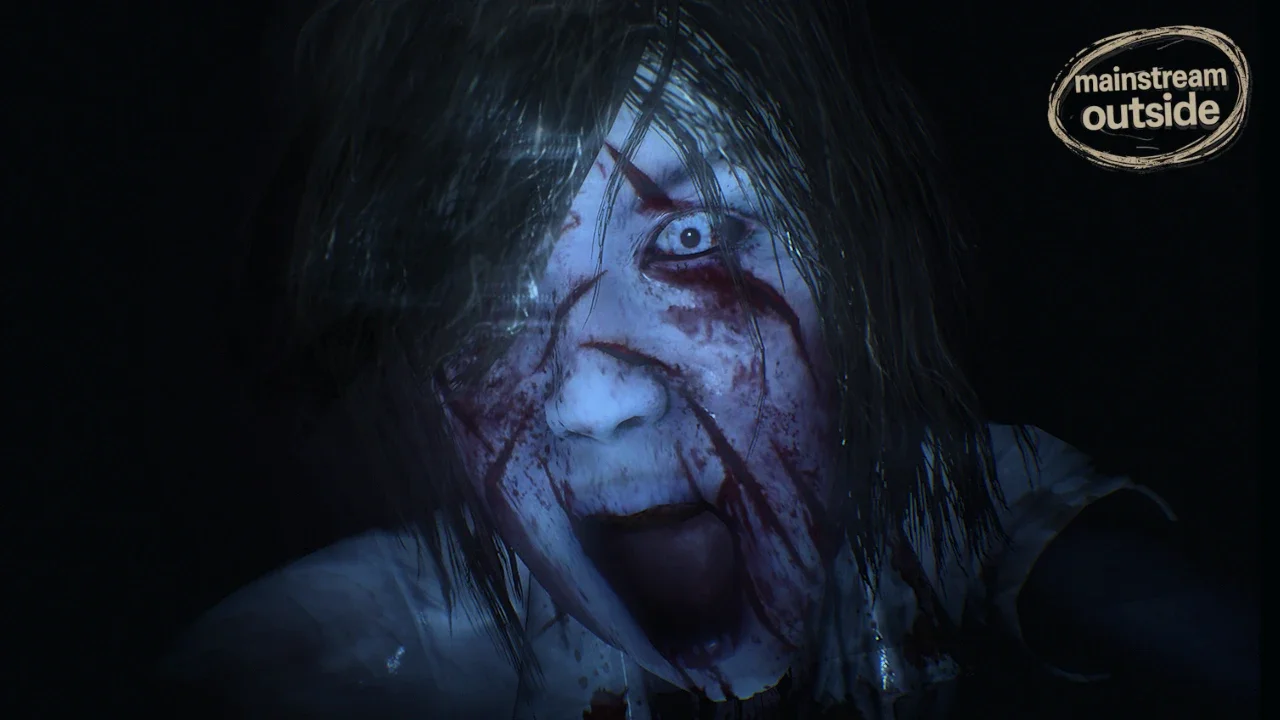
Analysis: 2017—no other year made horror games feel this abundant, professional, experimental, multinational and visible all at once. I look back at the tremors after P.T. and explain why indie developers only got to enjoy their breakthrough for a relatively short time.
I’ve been a passionate horror games fan since around 1982, even though the genre barely existed back then. I still remember my very first “scary trip” with Nightmare. It was a clunky ghost game for the Magnavox Odyssey 2, and by the standards of the time, it actually managed to tickle the nerves a little. Keep in mind that “horror” in the ’80s was still largely defined by trash-movie stars with pointy plastic teeth and Japanese men in dinosaur suits. Roooaaar! 🦖
Sure, Freddy Krueger and Jason were already carving people up somewhere behind thick VHS static, but you had to know the right people if you wanted to see deranged psycho killers playing football with severed heads. Anyway: for me, video game horror really began on the C64—with Beyond the Forbidden Forest and, above all, Aliens: The Computer Game. Both came out in 1986 and already had the first traces of “real” chills.
I could name other milestones here—Resident Evil’s granddaddy Alone in the Dark from 1992, for example. But I’m much more interested in the station horror games pulled into in 2017: Hype Station. Built in no small part by Hideo Kojima and his team, indie horror was suddenly no longer a bad joke, but a welcome alternative. Even some Triple-A developers recognized the potential of the gap left behind by P.T. and Silent Hills. By then, however, the “horror hype” already had a pretty decent five-o’clock shadow.
A strong opening
Before I get to the end of that high phase, it makes sense to look at where it began. 🙂 In my own calendar, the “horror year” 2017 actually started on November 24, 2016, when the Thai horror game Araya hit Steam. Why? Two reasons:
- For me, Araya kicked off an almost uninterrupted run of horror game reviews that lasted until mid-2018.
- Looking back, its pitch-dark hospital horror felt like a herald standing in the doorway: one tap of the cane on the marble floor, and the guests of the coming year were announced. Loose translation: “I was only the beginning. Now things are about to get nasty.”
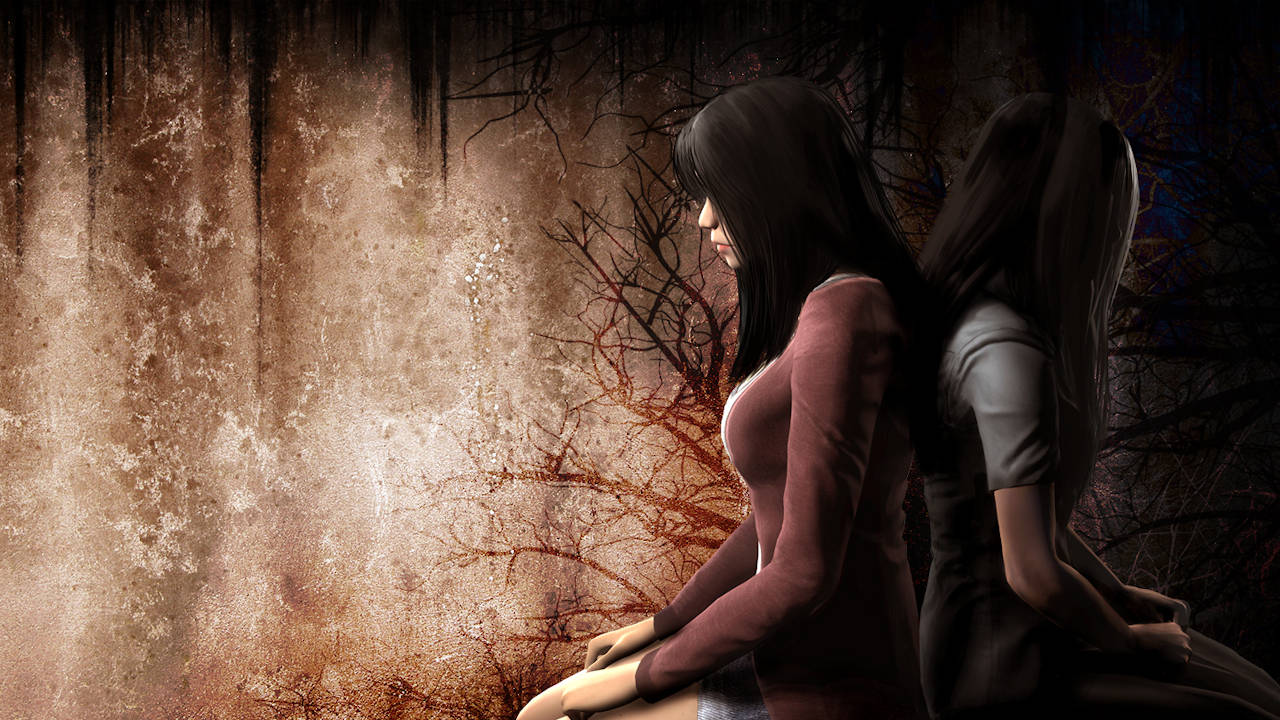
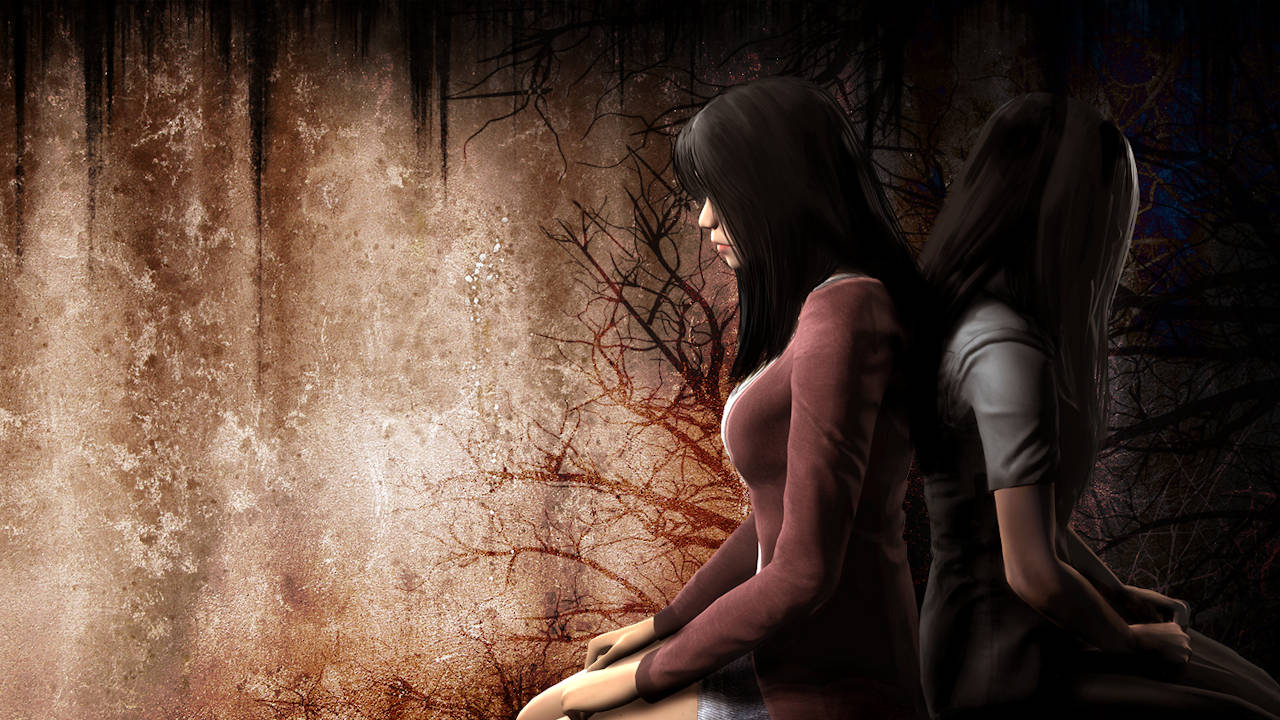
Key art for Araya. On the left: protagonist Marisa. On the right: the ghost of Araya herself.
“About to” meant January 12, 2017—the release date of Detention. This 2D horror gem immediately caught my attention with its 1960s setting in martial-law Taiwan. Combined with folk myths about terrifying creatures, it felt like something I had simply never seen before.
Detention did receive attention at the time, but to me it felt more like a strong hidden gem than a true breakthrough. Developer Red Candle Games got a second, much louder promotional push only in 2019, when its next game—Devotion—was dragged into the political meat grinder over an Easter egg. Suddenly, it wasn’t just the horror scene talking about Taiwanese ghost terror anymore, but half the internet discussing Xi Jinping and Winnie the Pooh.
Devotion ran into real trouble after many Chinese players discovered the “Xi Jinping egg” in the Steam version and followed up with a hailstorm of negative reviews. Against the backdrop of massive Chinese outrage and growing political sensitivity, the dark family drama disappeared from the Steam Store soon after. However, you can still buy it DRM-free from the developers’ website.
Big names like Resident Evil 7 were not the most interesting part
Early on, 2017 also rolled out the red carpet for horror royalty. On January 24 and April 25, respectively, Resident Evil 7: Biohazard and Outlast 2 brought back two real heavyweights of the scene. Part 7 marked a major break for Capcom’s iconic series, replacing the traditional third-person and over-the-shoulder perspectives with a first-person view. Did P.T. have some influence on that decision? Wouldn’t be surprising.
But not every big name was interested in the dominant trends. Frédérick Raynal, creator of Alone in the Dark, released 2Dark on March 10—a cute-but-spooky child-rescue mission played from a top-down perspective. He probably didn’t yet suspect that the PS1-style look referenced here would later become its own indie trend.
But you know what? Let’s not spend too much time on the occasionally tasty droppings of famous people—like Shinji Mikami and The Evil Within 2—or bankable movie licenses like Friday the 13th: The Game and Paranormal Activity: The Lost Soul. As Detention already suggested, 2017 became especially interesting away from the bigger releases. But why exactly?
Paranormal Activity: The Lost Soul was no genre revelation in 2017, but it was fairly solid licensed horror.
Horror for everyone, from everywhere
More than nine years ago, several developments converged in the horror space. One very important factor was that game engines like Unity and Unreal had strongly democratized indie horror. Games no longer had to be built from scratch with every last nut and bolt attached—even small teams could suddenly piece together convincing first-person scenes.
Even one-man shows no longer had to lag behind larger productions by default, because the genre did not require dozens of enemy types or freely explorable parallel worlds. Just like in the ’80s, one determined weirdo could once again write a hit. At the same time, “playing with fear” became a YouTube and streaming phenomenon. Remember? Suddenly, throaty screams were shaking the bedrooms of teenagers and twentysomethings around the world to their foundations. Even when the people making the videos weren’t actually scared.
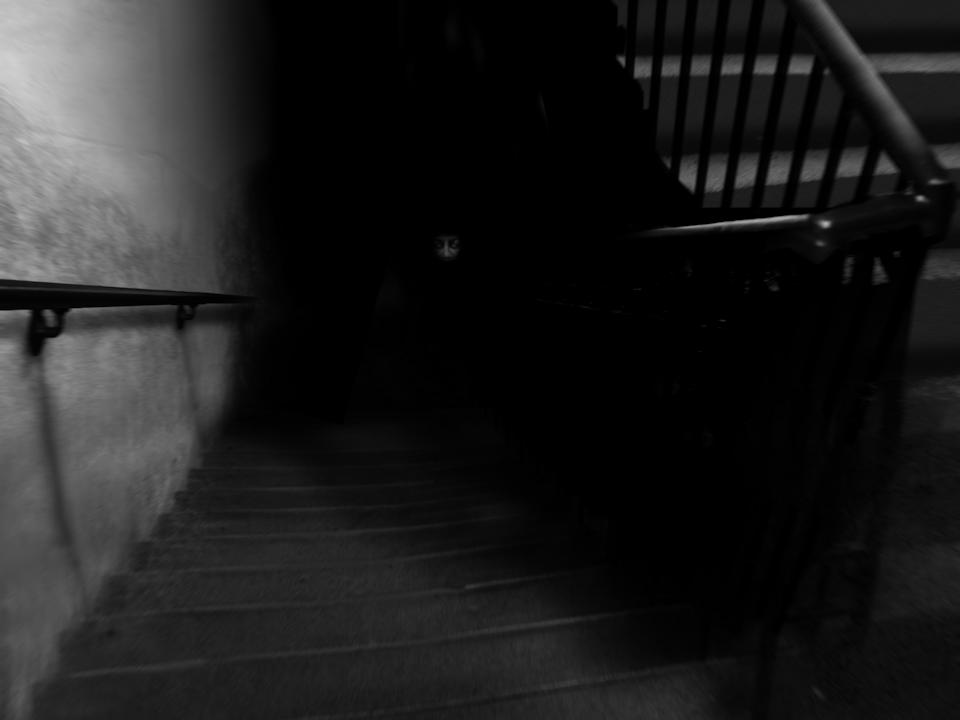
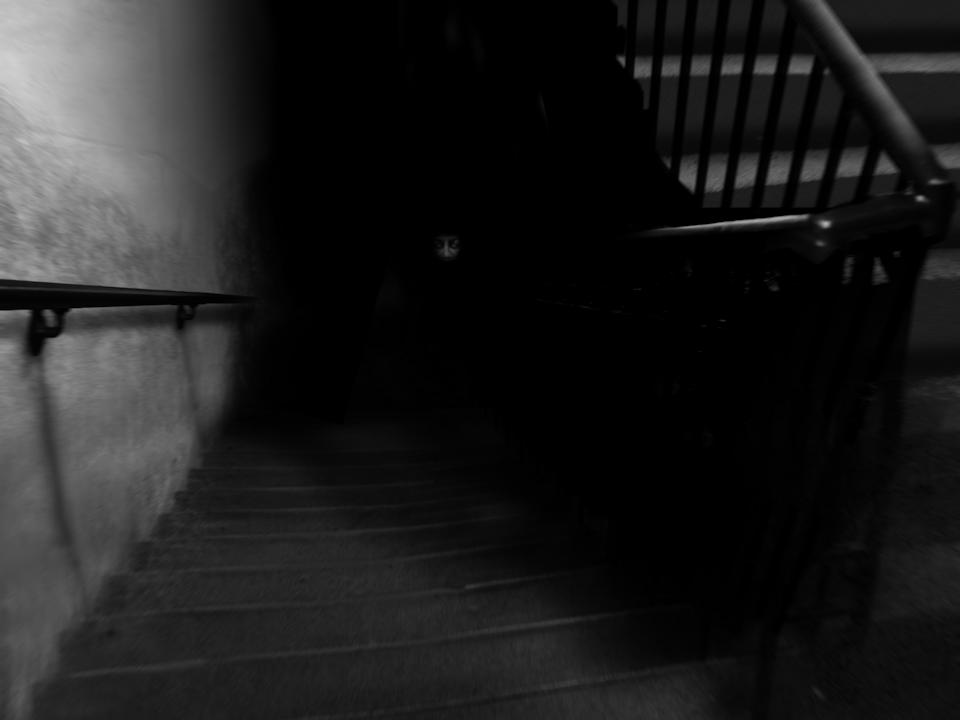
Still dragged out for YouTube screaming in 2017: the 2012 staircase shocker SCP-087.
Naturally, that increased attention made it extremely attractive for indie developers to make their next project a horror game. And studios all over the world understood that. Suddenly, horror games came flying in from every direction—both in 2017 itself and in the immediate aftershocks of that wave: Turkey (Conarium), Thailand (Home Sweet Home), Indonesia (Pamali: Indonesian Folklore Horror), Sweden (Unforgiving - A Northern Hymn), France/California (Narcosis), Morocco (The Dark Occult), the USA (Perception), South Korea (White Day: A Labyrinth Named School Remake) and more.
If you missed one or several of these titles, consider each mention a recommendation. White Day, by the way, is one of my all-time horror favorites—although I still prefer the original 2001 version, which I had to get running under fairly hostile circumstances when I discovered it around 2009.
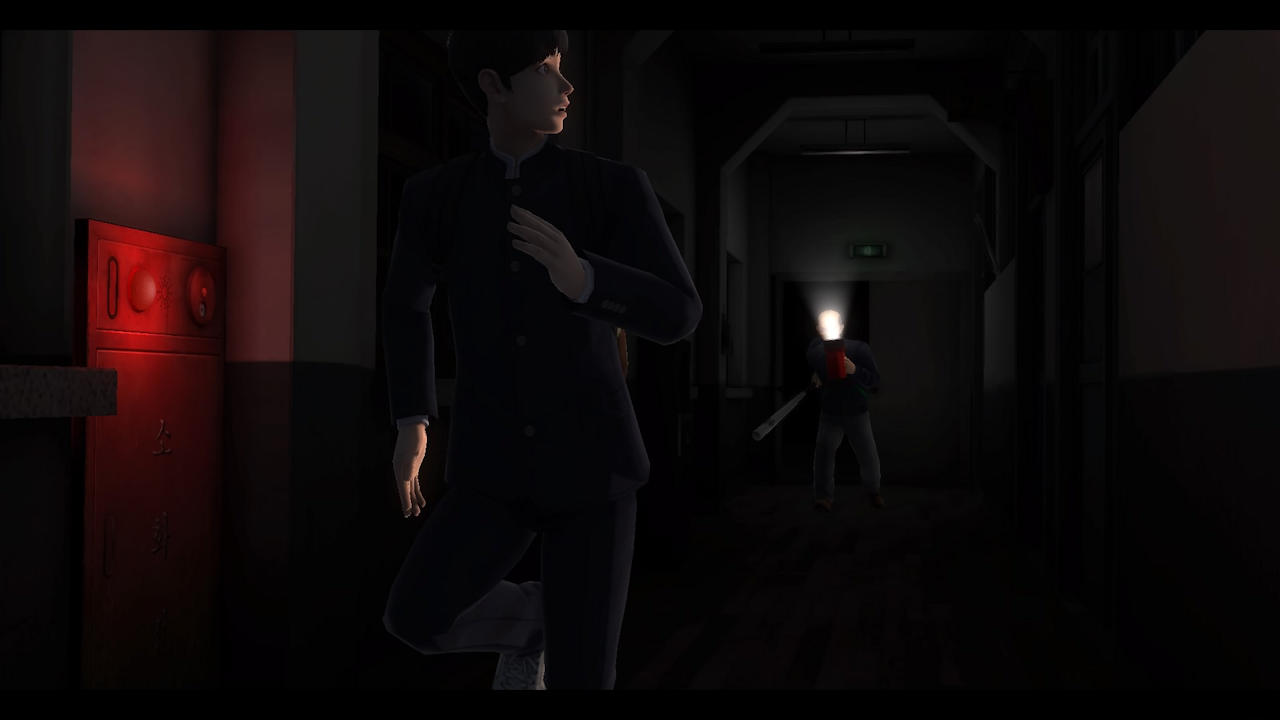
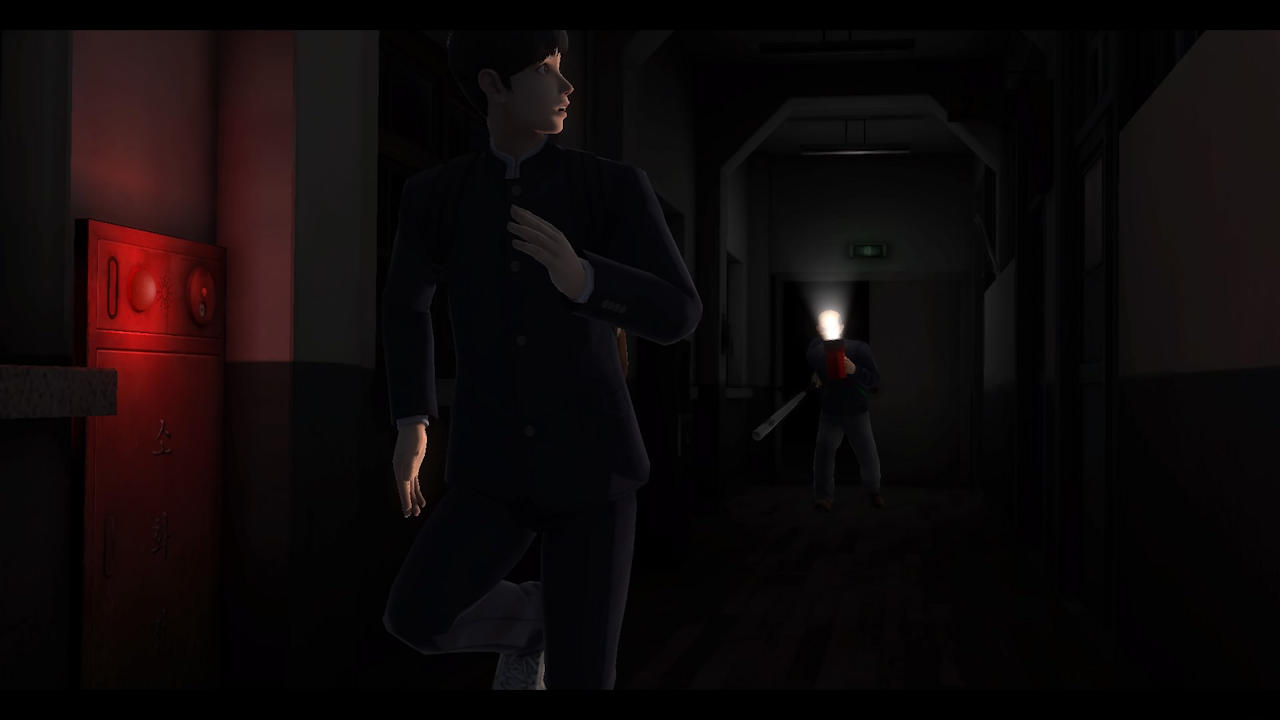
Of course one of my favorite horror games gets its own image here. (White Day: A Labyrinth Named School Remake)
Even AAA developers smelled blood
But back to the topic: even some former Triple-A developers wanted to ride the horror wave, later providing the scene with polished AA productions. One example was Rym Games, a studio made up of former Ubisoft developers. These guys had worked on major brands such as Rayman and Prince of Persia—now they wanted to try their hand at full-on demon terror in the vein of The Conjuring.
Probably to generate attention, Rym Games initially called its old-school horror game The Conjuring House. Sure: a reference to James Wan’s famous horror film The Conjuring made fans—myself included—take notice, and probably not only us. Because not long after release, the game suddenly adopted its final name: The Dark Occult.
Also keen to get in on the corpse party was Ultra Ultra, an indie studio made up of former IO Interactive developers. The team therefore came from a Hitman and Kane & Lynch background, which is clearly noticeable in their first game, Echo. It’s not a horror game in the classic sense, but with its grotesque mime-like enemies and alien palace setting in the style of 2001: A Space Odyssey, it is definitely horror-adjacent.
What studios like these could hardly know at the time: the horror boom would soon begin to fade again and permanently reshape the genre.
Was the haunting over?
Only three years after P.T., the horror pond was already well and truly overfished. Especially in the wake of the Let’s Play wave, “everyone” seemed to want to walk through dark haunted houses for a while. What had once been deeply appealing now became a familiar pattern: dark corridor, flashlight beam, creaking floorboards, whimpering from the next room, door slams shut, jump scare. Little by little, a large part of the gaming audience began looking elsewhere for the next kick.
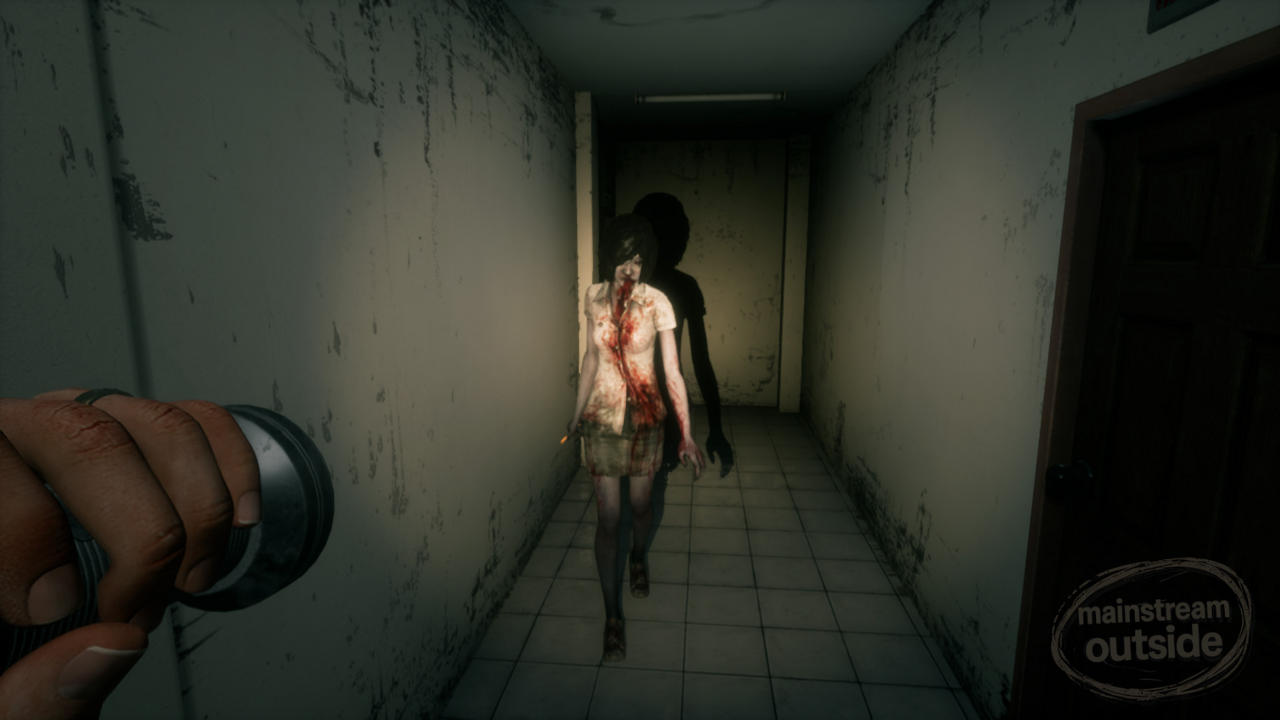
Home Sweet Home EP1 was a strong horror game in 2017. EP2 followed in 2019—by then, it was already too late for a bigger breakthrough.
Besides, the advantages of hypes and booms are always their disadvantages too. Strong demand is not merely served, but overserved—in this case with the result that Steam soon overflowed with software shockers. For developers, making their product visible became much harder. Games like The Dark Occult and Echo were born into that environment, and not least for that reason, they never managed to celebrate major commercial success.
The horror genre did not suddenly pack its bags and say, “Bye bye, I’m off then.” But its next stage of development was commercially tricky as well. Horror splintered into many smaller directions, including retro horror (with PS1 aesthetics as a younger trend), mascot horror, liminal spaces, VHS horror, Backrooms aesthetics, short Itch.io experiments and narrative arthouse horror. On the other side stood larger productions such as open-world games, shooters and service games, which sold far better. Publishers, naturally, were well aware of that.
None of this came without consequences:
- Ultra Ultra, the makers of Echo, did not exist for even two years after the release of their only game
- Rym Games, the Moroccan studio behind The Dark Occult, practically vanished from public view after 2018
- Honor Code, Inc. dissolved as a team shortly after the release of Narcosis
- 3D2 Entertainment, the studio behind The Crow's Eye, closed several years after its only game
- Things also became noticeably quiet around Protocol Games, who released Song of Horror in 2019 and had already struggled with failed Kickstarters and publishing problems during development
This is not always the classic “studio went bust” story. Sometimes it’s simply the quiet evaporation of a team. For the market, the effect is the same either way: a good or at least interesting horror game appears, gets a brief moment in the spotlight, and then only the store page remains.
So yes, 2018 and 2019 still brought some heavy hitters, such as the religious Gray Dawn, the mythological Paper Dolls or the P.T.-like Infliction. What disappeared, however, was that strong sense of a 2017 cohort; the release density noticeably thinned out, and good horror games became individual events. Pretty much the way we know it today.
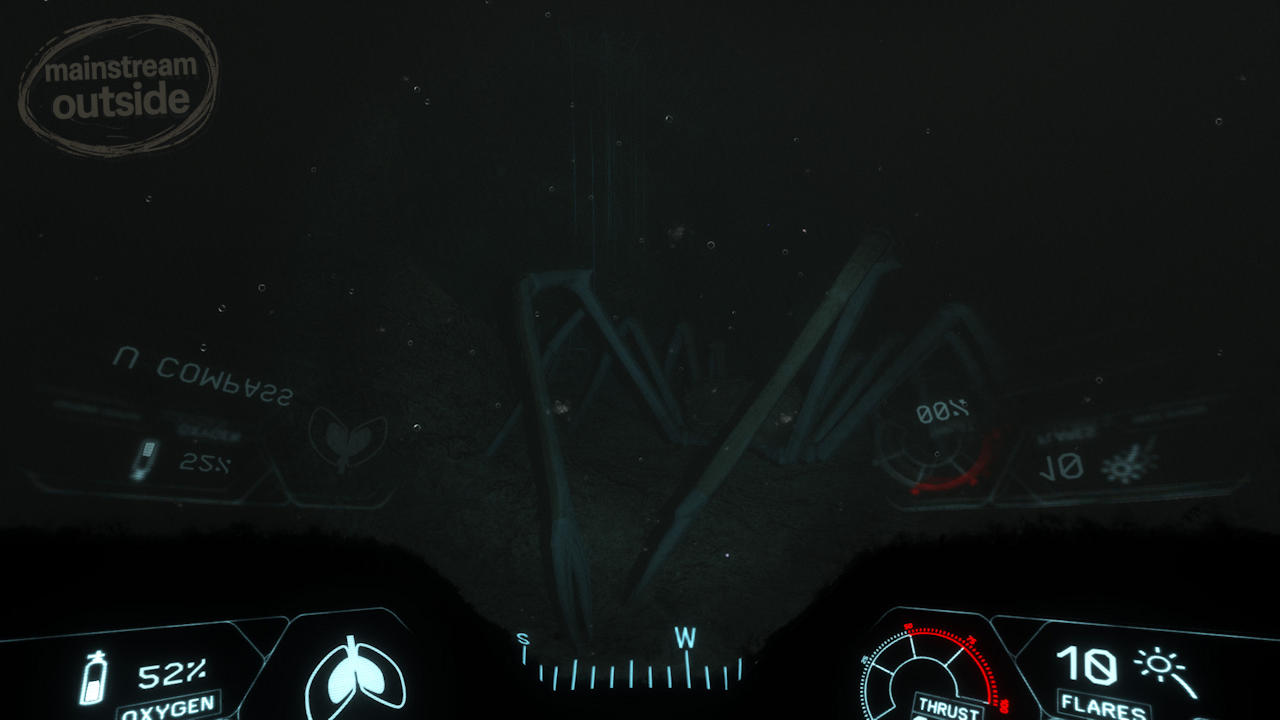
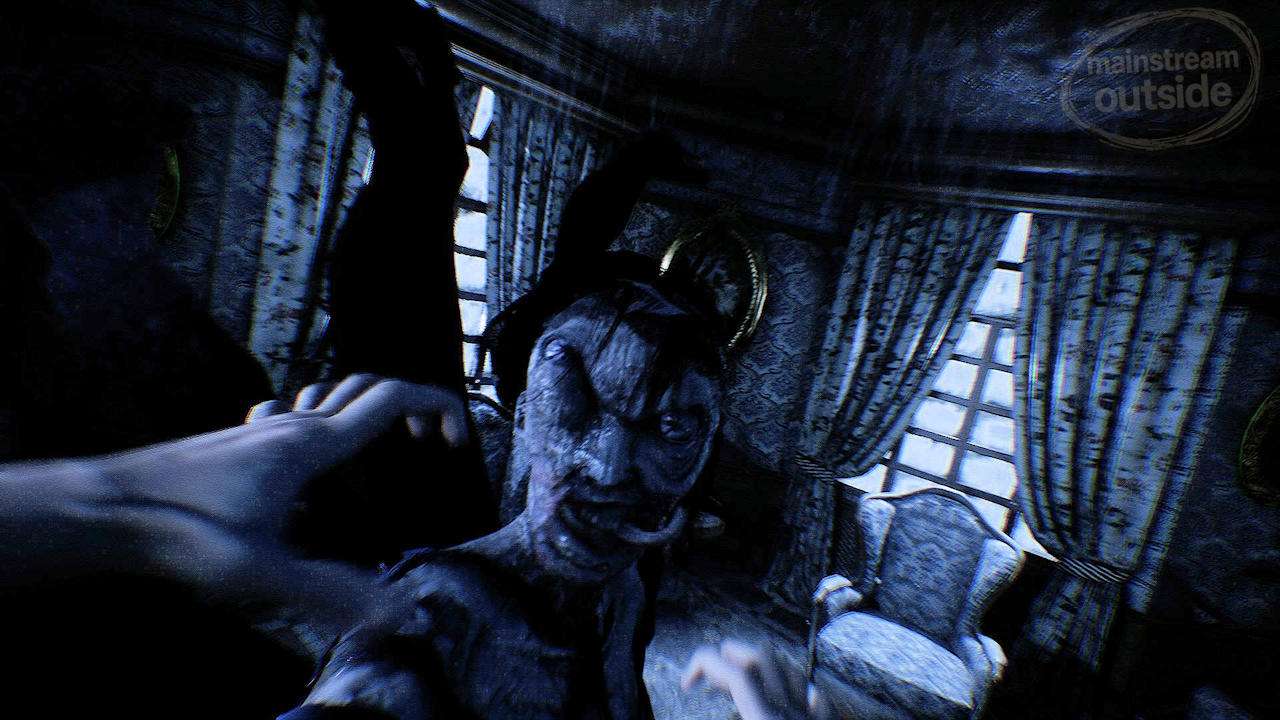
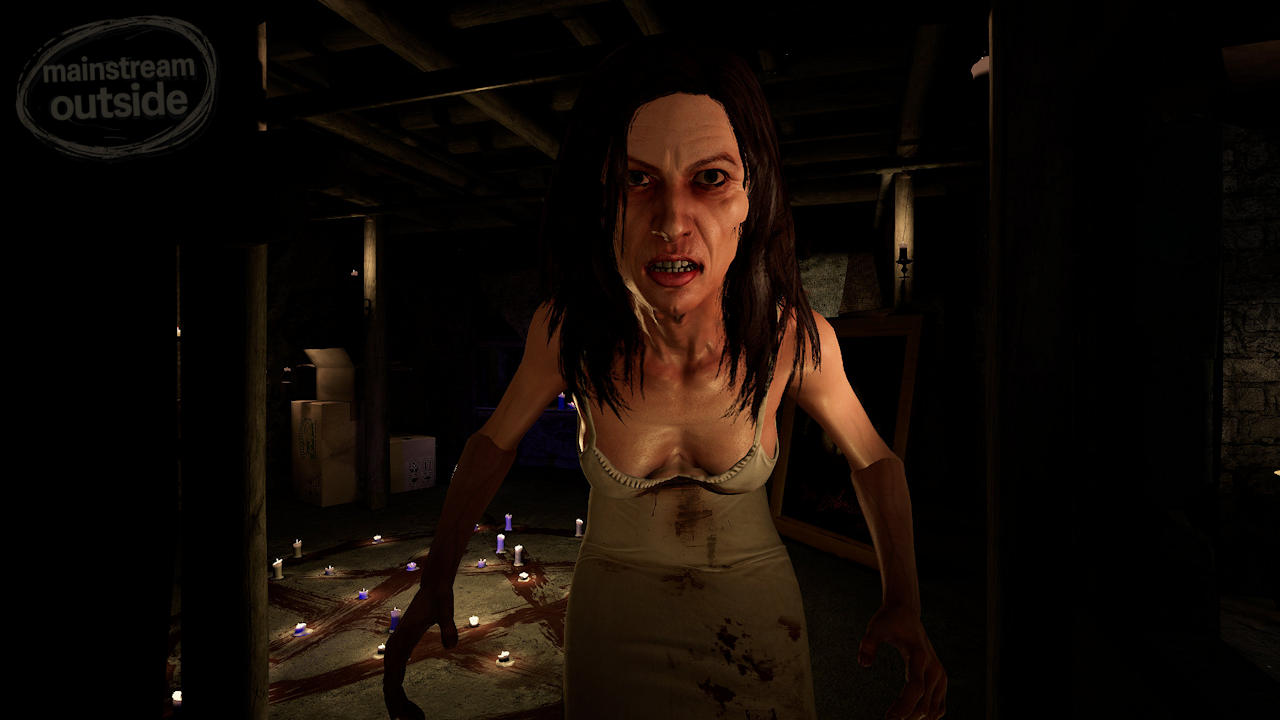
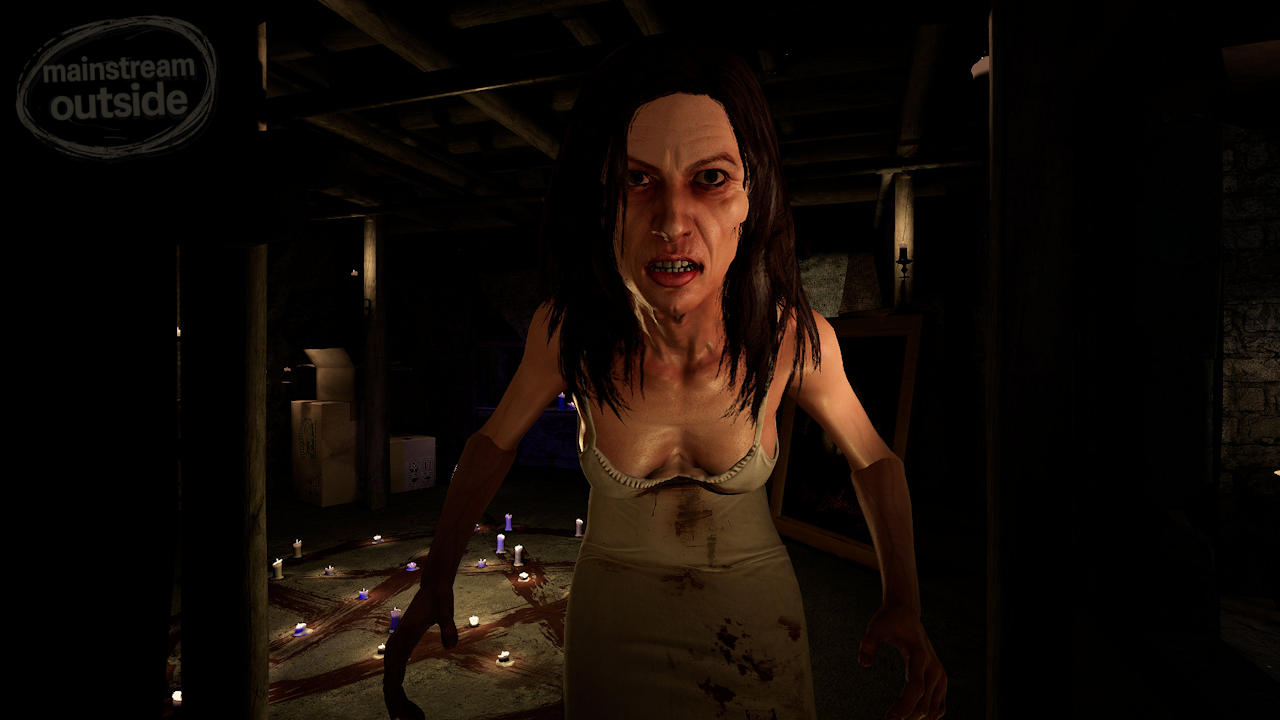
Left image: Narcosis cuts into a similar vein as Soma. Right: the demon from The Dark Occult attacks.
There’s an upside to 2017 not coming back
On the one hand, I would love to experience another year as brilliantly spooky as 2017. During those 365 days, horror was hungry as hell, highly professional and—away from the P.T. clones—hard to predict. I basically only knew that the next fresh hit of fear was waiting just around the corner. Imagine you’re a zombie in Hum, Croatia, and you’ve eaten all 52 inhabitants. Then all of Tokyo suddenly decides to move to Hum. Yes, that’s how tasty 2017 was.
But in the long run, it would probably get boring to subsist only on Japanese people, otaku and kaiju. Seen that way, it is a good thing the horror genre splintered. It became even more diverse as a result, and therefore almost unpredictable. In 2026, the horror menu no longer offers only brain, heart or liver, but every imaginable delicacy. There is no P.T. dictating trends anymore; anyone making a horror game today is no longer tempted by a single dominant force or shoved into one particular corner.
We horror fans have clearly benefited from that—not just because developers are more likely to pursue their own ideas. They also have to come up with something pretty damn good if they do not want to disappear in the noise of thousands of Steam releases per month, according to SteamDB. I won’t deny that this abundance is a nightmare for small studios, even when they have good ideas. On the other hand, it can also lead to intense bangers like Amnesia: The Bunker. Or to Shinonome Abyss and the stylish Withering Rooms.
Examples like these show that the darkest of all game genres is still in excellent shape. And if I soon get firm release dates for Graveyard Simulator, Kidnapped Simulator and Out Fishing, I can basically delete this article again.
But I won’t. 😉
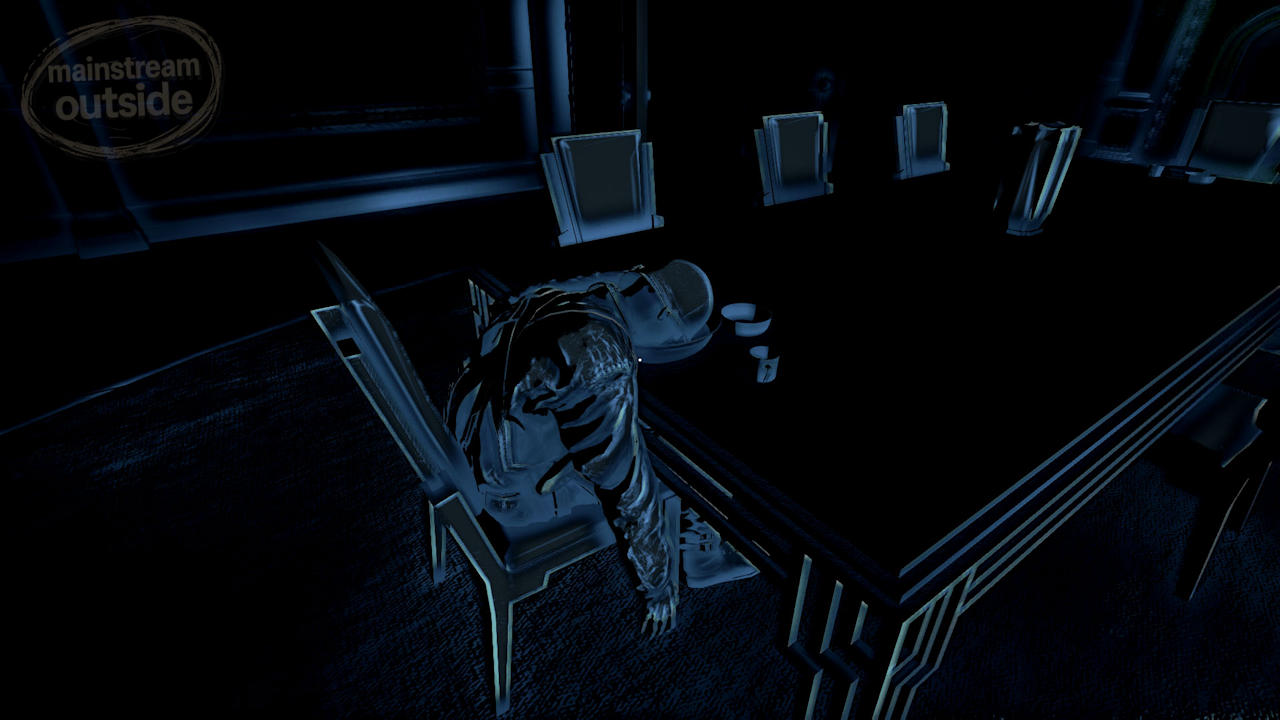
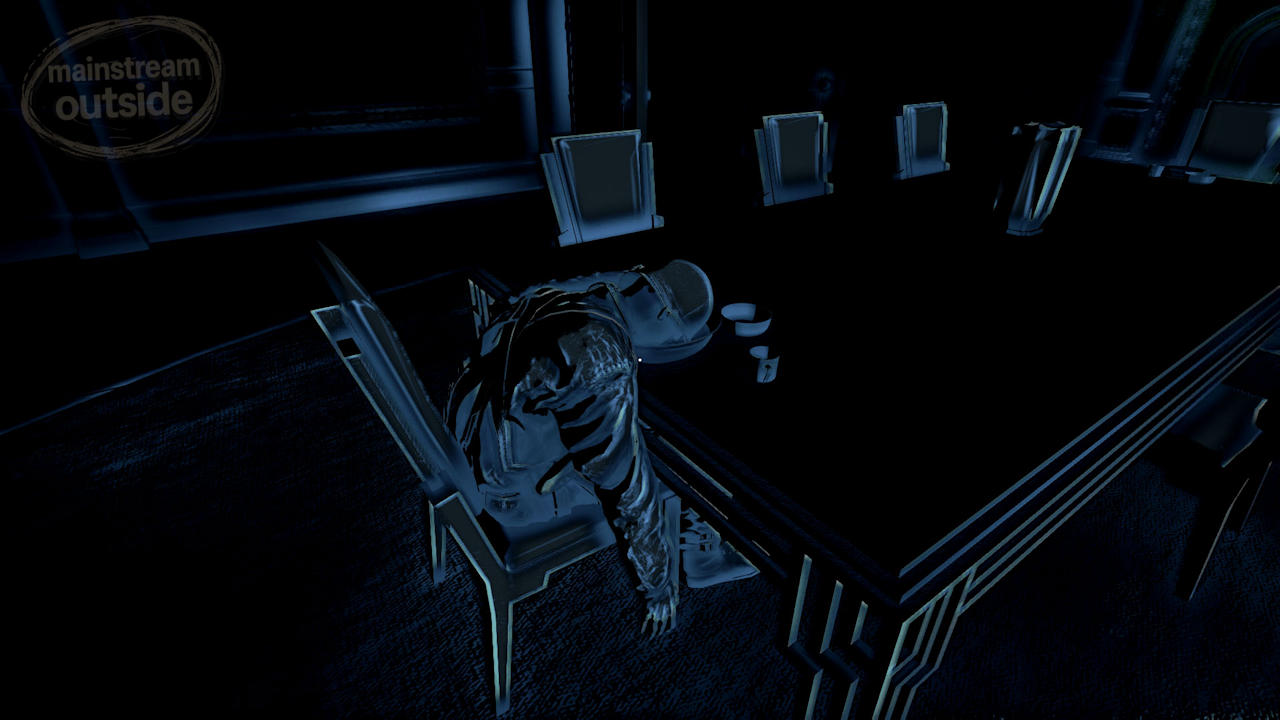
To close things out, here is a look at a ghost story with a blind protagonist: Perception (2017). It looks strange, but plays in genuinely interesting ways.

Read next:
Comments