
Gaming without battle passes.
Takes without paywalls.
And stories without reposts.

Red Flag Is Out: Are You Worth the Last Supplies?
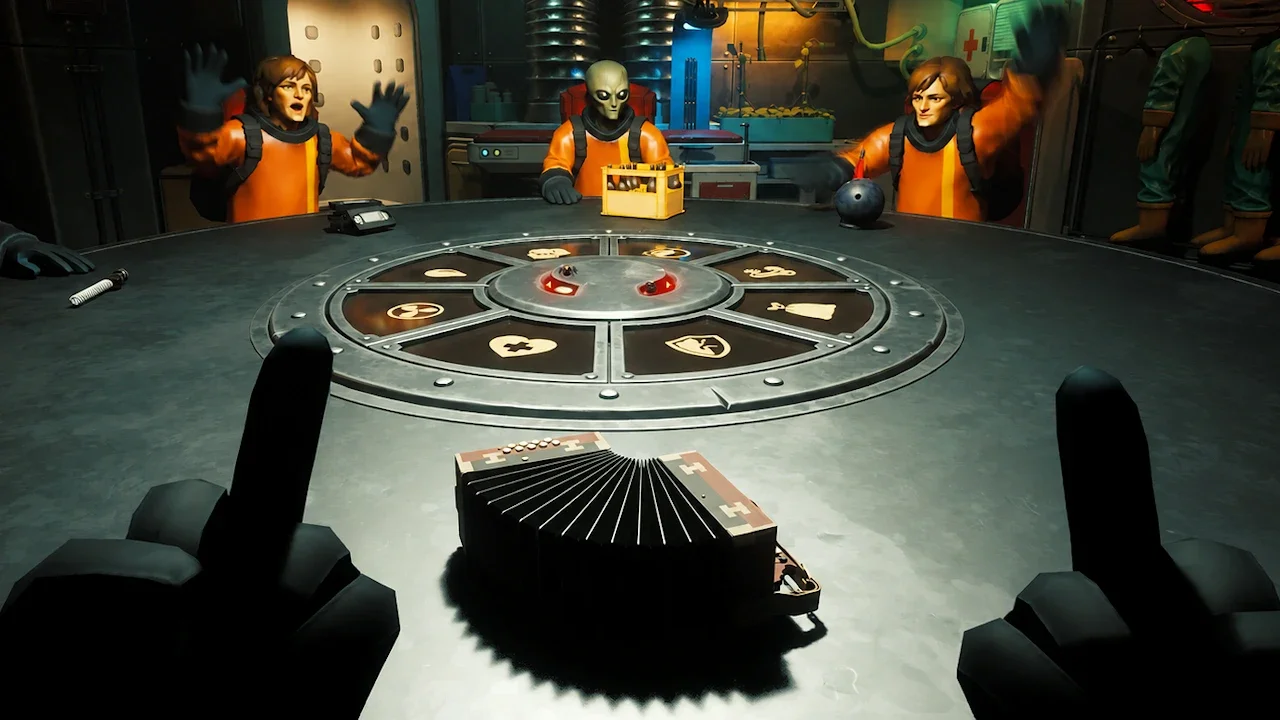
The post-apocalyptic Red Flag is a social deduction party game through and through, which means it’s strictly multiplayer. The premise is pretty fun: everyone gathers around a table to decide who deserves a share of the dwindling supplies—and who still gets to stay with the group.
I didn’t think I’d be writing this quite so soon, but here we are: these days, it takes serious nerve for what looks like a small development team to march into the ever-growing graveyard of multiplayer games. It wasn’t long ago that another indie multiplayer venture, Blindfire: Lights Out, went under—though at least it bowed out in admirable fashion.
Still, the newly launched Early Access title Red Flag may be in a better position, partly because it takes a few cues from indie smash hit Among Us. You can see it right away in the setup: a bunch of people in yellow hazmat suits trying to solve a problem through social deduction. Because yes, we’re in the post-apocalypse yet again (trend chasing: check), and supplies are running out.
So the question is simple: who gets to stay? You’ll need to talk your way into the group’s good graces—or just flip everyone off (Reaching Younger Audiences 101: mastered). Judging by the first reviews, though, Red Flag seems to be a good time, and the game’s description certainly makes it sound like one.
Random disasters and hidden traits
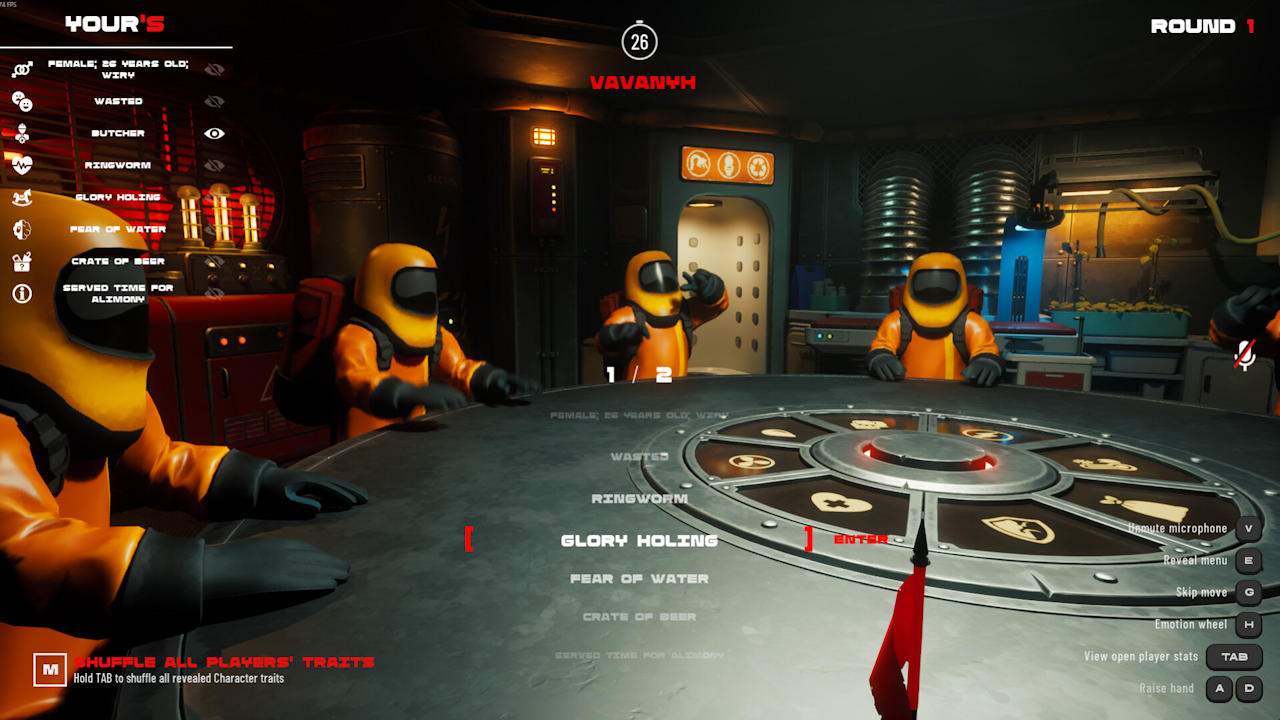
Red Flag is played from a first-person perspective. At the start of each match, the game seats 6 to 12 survivors around a table inside a shelter, then reveals a random disaster and the conditions the group will have to survive. Each player receives a handful of items and several hidden traits, including:
- Former occupation
- Skills
- Phobias
- Health conditions
From there, players decide what to reveal, what to keep quiet, and what to spin in their favor. Lying, bluffing, persuasion, and peer pressure are all part of the deal. In other words, Red Flag isn’t judging you by your real personality or actual abilities.
Negotiating while everything falls apart
Once everyone has introduced their character, the floor opens for discussion. Players question one another, weigh up how useful each person might be, and vote on who has to leave the shelter. The group can skip an elimination in the first round, but two people have to go in the next. Voting continues until only half of the original group remains.
Negotiations are in full swing—and clearly, not everyone is thrilled with their fellow survivors.
Sounds simple, but there’s more to it than that. While everyone is busy arguing, the life-support systems keep getting worse. Random events change the conditions for survival, which means a trait that once seemed essential—or completely useless—can suddenly make all the difference.
In the finale, the game weighs up the condition of the shelter, everyone’s professions, skills, and health, along with any traits they kept hidden, to decide whether the remaining group actually makes it. Reaching the final round doesn’t mean you’ve won.
What’s in the Early Access version?
According to developer Red Flag Team, the Early Access version includes at least two disaster scenarios:
- Nuclear shelter: Nuclear war has wiped out cities and left the surface soaked in radiation. Mutated creatures roam outside the bunker.
- Space station: Earth has been destroyed by an unknown threat from space. Part of humanity was evacuated to orbital stations without ever learning what destroyed the planet.
More disaster scenarios, character traits, events, meta abilities, and deeper endgame mechanics are planned. Early Access is expected to last six to 12 months, and for now, the developers don’t expect to raise the price later. Red Flag will only set you back $5.
Read next:

Comments