
Gaming without battle passes.
Takes without paywalls.
And stories without reposts.
What the Concords of This World Can Learn from Blindfire
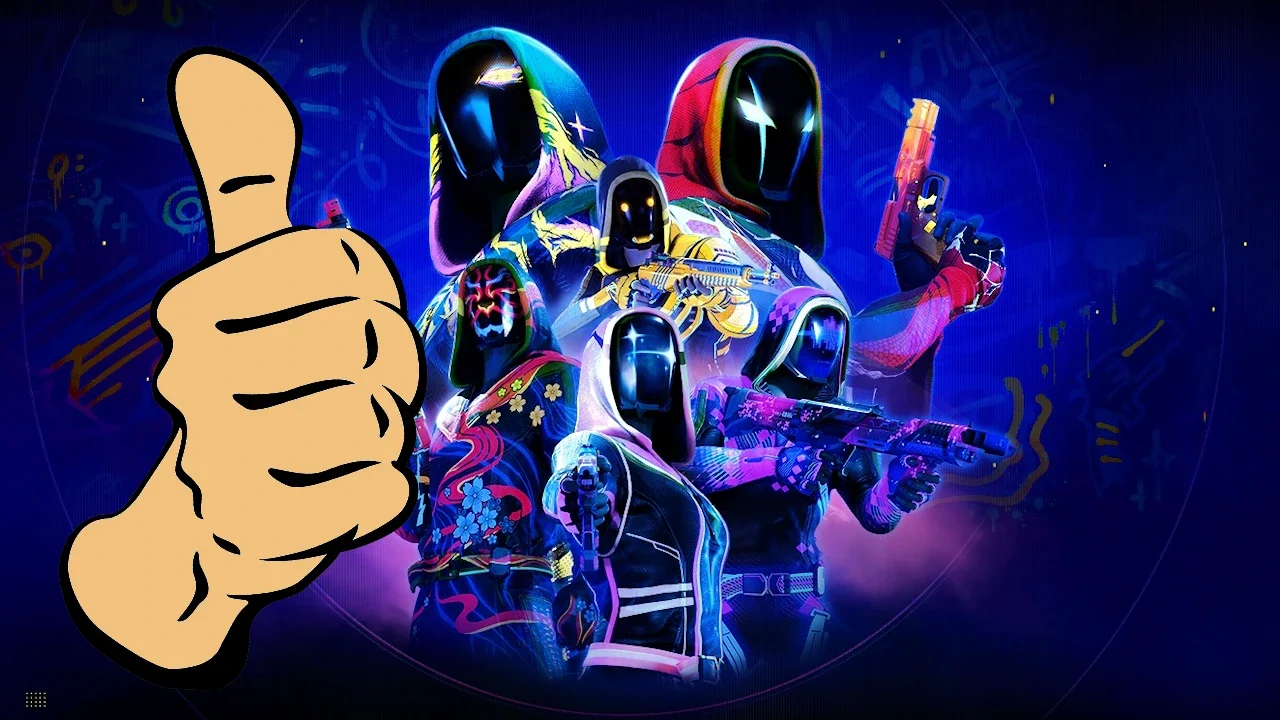
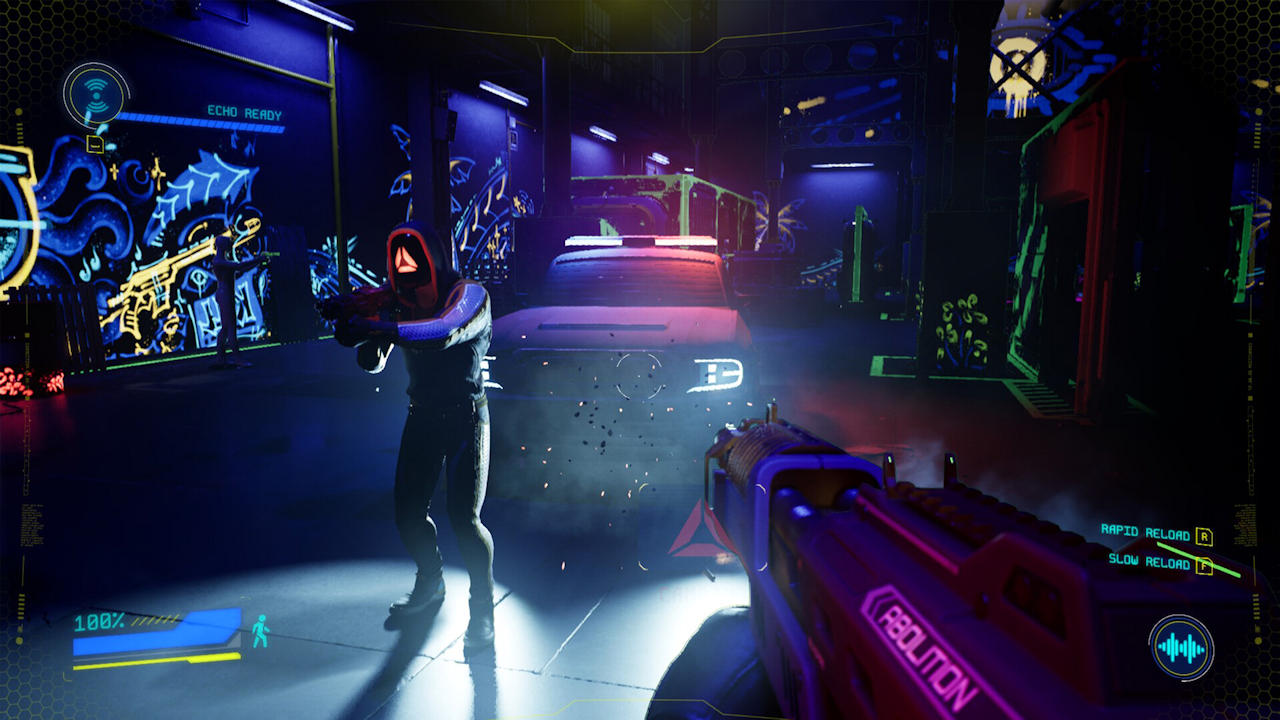
Since May 7, the ill-fated online PvP shooter Blindfire has been free to play—and barely anyone cares. Still, big publishers could learn a thing or two from developer Double Eleven, because right now it’s making Sony and co. look pretty bad.
You’ve heard of the multiplayer shooter Blindfire, obviously? Kidding. Almost nobody noticed when the game first launched in Early Access. That was on October 17, 2024—and "almost nobody" means an average of 10 concurrent players on launch day.
I’ll be honest: numbers like that usually make me quietly cackle. I’m convinced that every time a multiplayer shooter dies, a cute little kitten is born somewhere. So why am I not just ignoring Blindfire and moving on? Because on May 7, Double Eleven did (and said) something pretty remarkable.
Double Eleven: "Games are art"
For one, the team renamed the game Blindfire: Lights Out. It also switched to a free-to-play model. Before that, the game sold for around 9 dollars. The key part, though: the England- and Malaysia-based studio didn’t take the shooter offline. Even though there were—and still are—barely any player numbers to speak of. Right now, just 27 players are knocking around in the free version of Blindfire.
So why is Double Eleven keeping the shooter online? In a news post from May 7, the developer puts it like this:
"We have decided to make it free to play and keep the servers online indefinitely. We are doing this because we believe games are art and they deserve to be preserved. We refuse to bury what we built just because things didn't go perfectly. We are keeping it alive because we are proud of it. You won't see adverts or marketing campaigns trying to drag you back in. This is just a gift to those who want to see what we created."
That second sentence in particular made me sit up: isn’t this exactly what critics keep trying to hammer into the suits at Ubisoft, Sony, and everyone else? Sadly, once people put on a tie, art and players seem to drop off the agenda. After that, it’s all quarterly figures and risk control.
Multiplayer shooters with genuine passion do exist
So yes, even in the online shooter space, some developers really do care about the thing they’re making—not just the money it might bring in. The Blindfire developer makes that clear in the same news post: "We loved making this game. Watching playtesters get to grips with our twist on the FPS was a massive highlight for us and seeing some big streamers jump into our world was a proper thrill."
For a multiplayer shooter, Blindfire has some actual ideas. Its dark maps, for instance, are part of the whole concept.
I genuinely respect statements like that. Because when developers and publishers faceplant with their online shooting galleries, it usually doesn’t take long before those games vanish for good. A recent example is the failed hero shooter Highguard. Just 45 days after release, its servers were shut down and the game was removed from stores.
Does that say anything about how much the developers cared? Probably less than we might assume at first. But it says a lot about an industry mindset where years of work can be erased after just a few weeks. Either way, what’s certain is that on Steam, only 16 screenshots and three trailers remain of Wildlight Entertainment’s work. Over time, those trailers will disappear too, which I personally won’t exactly lose sleep over. From an artistic perspective, though, it’s a troubling trend.
Players are fighting back against server shutdowns
Good art deserves to be preserved for future generations. I’m absolutely convinced of that. And yes, that also applies to supposedly soulless projects like Highguard. Innovative or not, the character and weapon design alone are clearly top-tier here—and that makes the game worth preserving.
Thankfully, players are pushing back. One example: the initiative Stop Killing Games has taken up the issue and wants to push for laws against server shutdowns in games. After all, this now affects single-player games too, when their functionality depends on official servers staying online.
Stop Killing Games is definitely being heard. The initiative has been credited with helping push Ubisoft toward an offline/hybrid mode for The Crew 2, even if Ubisoft itself officially points to player feedback. The campaign, started by YouTuber Ross Scott, has also reached government level. Gry Online reported that Poland’s Ministry of Digital Affairs, along with Secretary of State Dariusz Standerski, fully supports the initiative.
So, dear developers and publishers: take a page from Double Eleven and preserve your works of art for future generations. They’re worth it. Besides, IT history—like history in general—is at its most fascinating and most useful when you can see it and try it for yourself. We shouldn’t rob future generations of those experiences.
Read next:
Comments