
Cracks & Warez: The Necessary Evil
Gaming without battle passes.
Takes without paywalls.
And stories without Reddit.
Cracks & Warez: The Necessary Evil

In the '80s, cracking and copying video games was as normal as brushing your teeth—today, both are widely frowned upon. One thing’s beyond dispute: game developers deserve to be paid for their work. But there are often good reasons to play warez instead of the official release.
Like it or not, the cracking scene and warez are part of digital culture. Cracktros—those sometimes elaborate intros coded by cracking groups—are one of the roots of the demo scene, in other words: computer art.
There’s no denying that warez have always been capable of causing economic harm. And if no legitimate copy was bought, using them is also a slap in the face to the people who usually spent years making the game. Creative work of real value should always be rewarded—period.
So does that mean it’s perfectly fine to publicly shame software pirates across the board? No, it’s not that simple. Without cracks or warez, publishers would have even more control over the digital market than they already do. And big industry players usually want one thing above all else: maximize profits through data harvesting and the slow erosion of customer rights. Here’s why we shouldn’t put up with that any longer.
What warez mean has changed
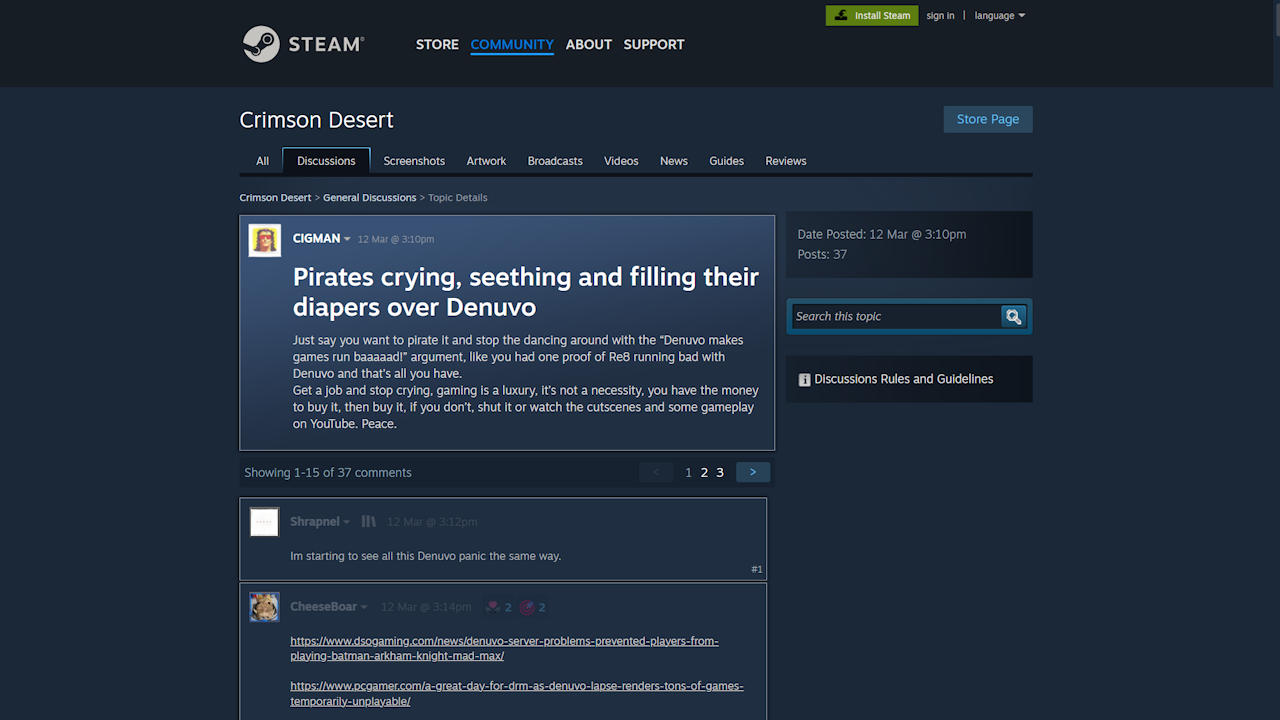
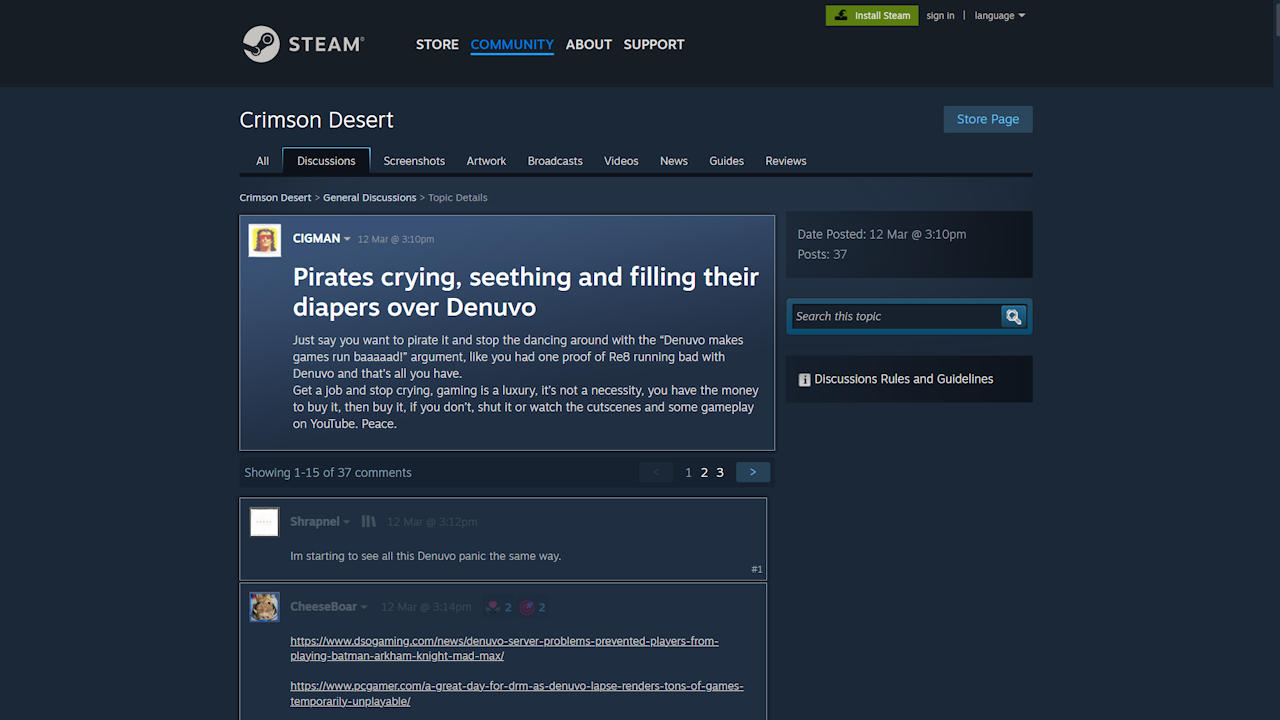
On the forums of Steam, people keep "debating" software piracy. In practice, that usually means this:
- Someone from one side starts a thread.
- In the opening post, they take a piss on the other side.
- Then both the pirates and the moral crusaders whip out their... you know.
- What follows is a glorious mass piss-fest.
Discussion in the Crimson Desert forum on Steam: as always, legal customers and pirates are busy bashing each other’s heads in.
But you’ve probably stumbled across threads like that yourself. So—what do you make of them? Normal? Either way, it’s hard to believe that pirates and consumers were once on the same side. Yes, they were.
Over the decades, though, the software industry managed to split the opposition. A lot of gamers no longer realize that cracks and warez can hand control back to customers. And customers need that control now that greedy suits have descended on the games industry like locusts.
That’s why the idea that cracks and warez are nothing but bad news is outdated. That view made more sense back in the digital stone age of the '80s, when machines like the C64 and the Amiga 500 dominated the scene.
Early crackers weren’t Robin Hoods
More than 40 years ago, crackers weren’t trying to hand poor users free games. What they wanted was to bypass copy protection and show software companies this: "Hey, we know our way around computers and peripherals better than you clowns do." To make that point, the cracked games obviously had to be distributed—which had the nice side effect of helping skilled crackers build a name for themselves in the scene.
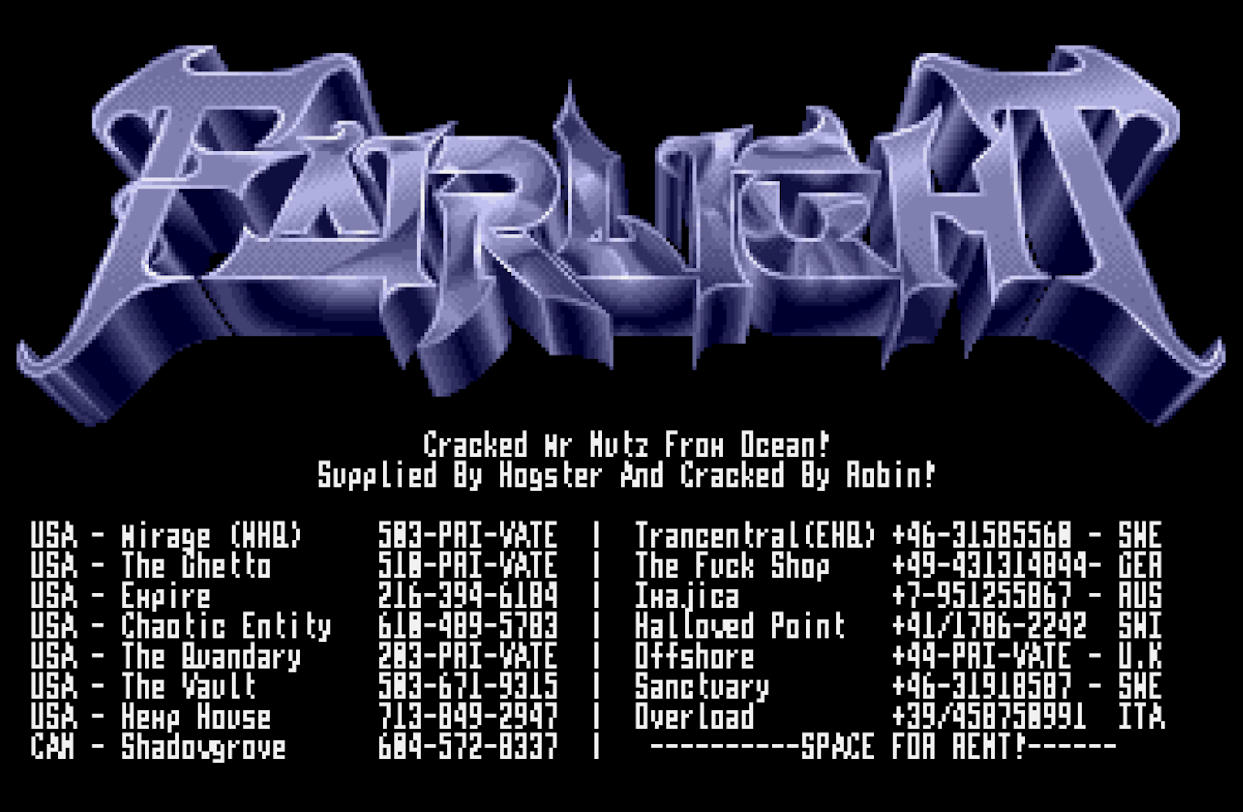
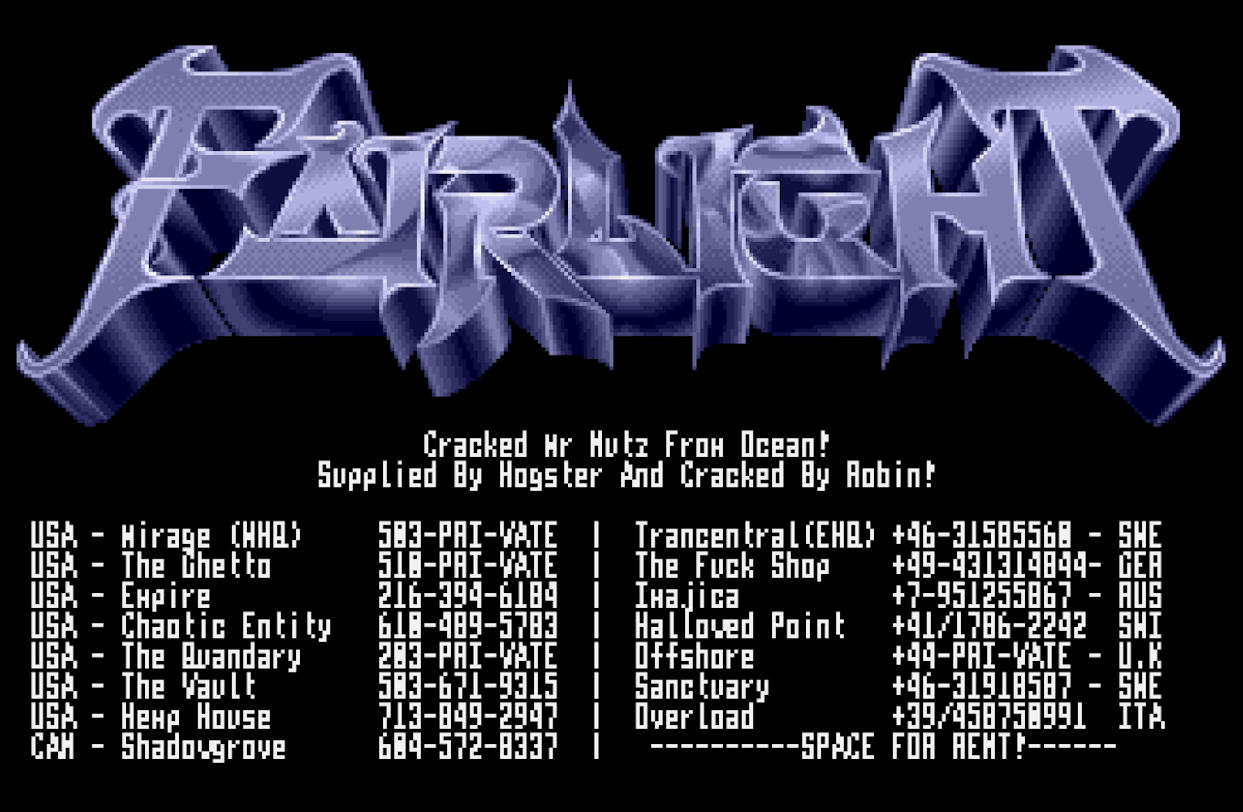
Cracker screen by Fairlight, a group active since the '80s—shown here on the Commodore Amiga in 1994.
Even though regular gamers didn’t really factor into the cracker mindset (or were sometimes dismissed as "lamers"), those same gamers looked up to the "bad boys." Games back then were tiny by modern standards, often just kilobytes in size, yet still cost around $40 to $170. A monthly allowance usually wasn’t enough to cover a hot new full-price release.
There were also players who had no idea a software industry even existed. No joke. In the '80s, that industry was still so young it barely registered with the wider public. So some people saw crackers as the cool guys who brought games to their computers. Had they made the games themselves? Even I was dumb enough 40 years ago not to rule that out.
Either way, one thing’s clear: back then, the industry was more interested in experimenting with game concepts than monetization schemes. When you bought a game in those days—or rather, would have bought one 😉—it existed in full on a physical storage medium that actually belonged to you.
Now we’re dealing with a completely different situation. Bigger publishers and the really big ones seem determined to make sure customers own less and less—physically and digitally alike. That’s one more reason warez mean something very different today than they did in the days of the C64 and friends.
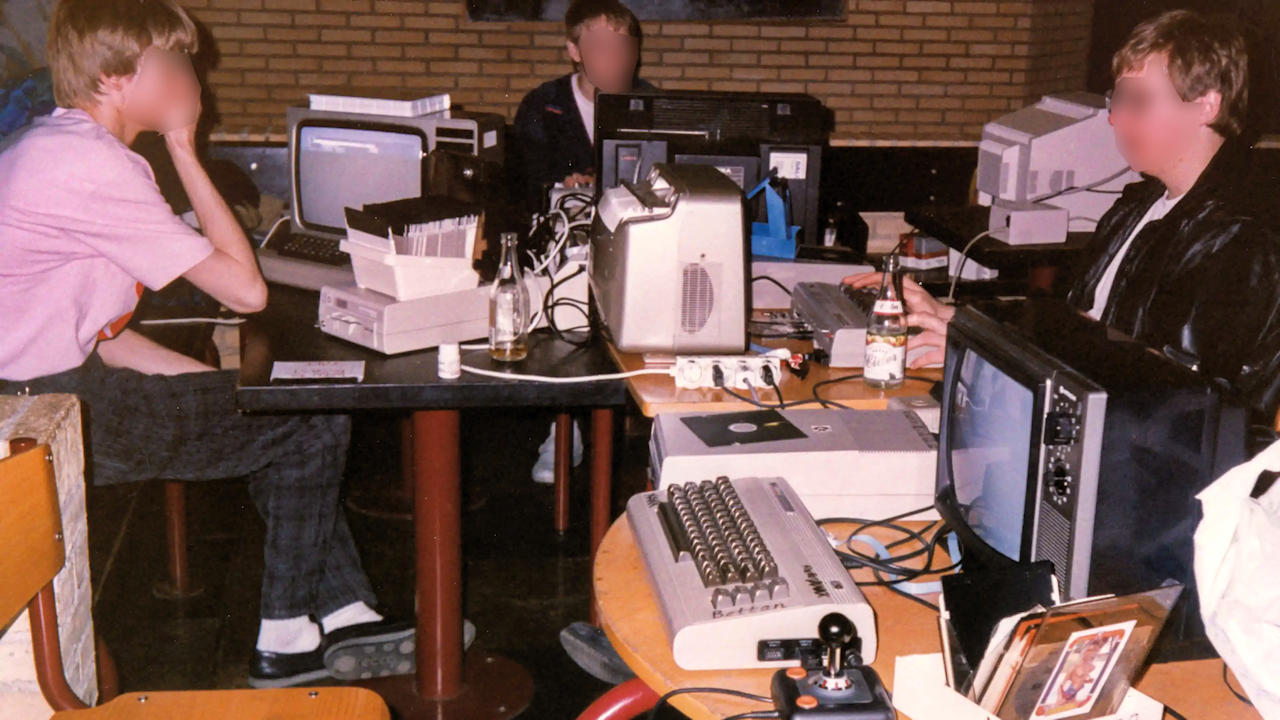
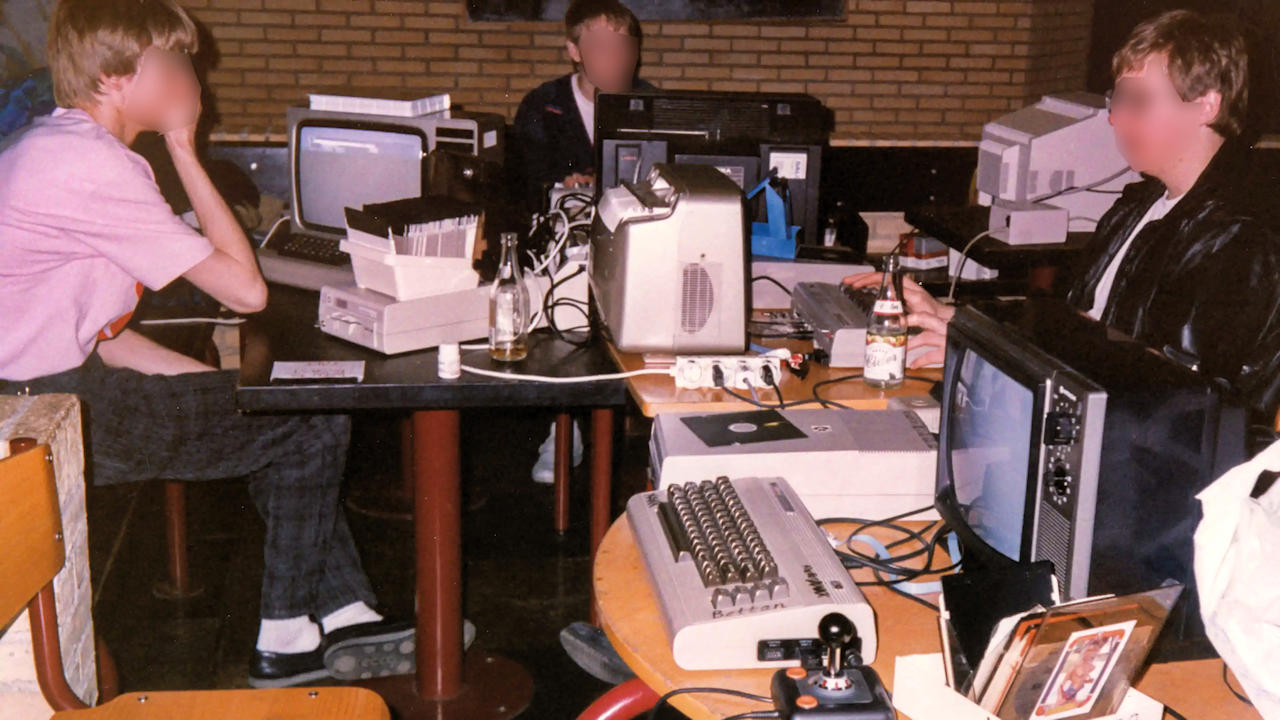
Crackers and copiers at a scene meetup in Denmark in 1989. In the foreground: the legendary Commodore 64. (Source: Björn Fogelberg)
How publishers spy on you
Before I keep laying into the suits with a verbal sledgehammer, one thing needs to be said: modern game development is vastly more expensive than it was in the days of pixel games or early 3D titles. That’s why developers and publishers often rely on long-term monetization strategies. The old fire-and-forget model (charge XX dollars once and be done with it) works less and less often, especially with big-budget productions.
DLC, microtransactions, service elements: as gamers, we have to swallow some of that if we want games to keep meeting our sky-high expectations. But in the race for ever more profit, plenty of publishers go way too far—not just monetizing their products, but monetizing us, too. Or more specifically: our behavior.
Because why exactly do we install Ubisoft Connect, the EA app, the Xbox Game Pass app, the Bethesda launcher, the Rockstar launcher, and all the rest? Sure, one reason is so they can blast us with ads. But above all, these companies want data on what we do in and outside of games—and other information that slips through their fingers on third-party storefronts, which is why they collect it in bulk through their own launchers.
Not a big deal because you’ve got nothing to hide (the classic line), or because a reputable publisher would never share your data, right? Well, if you actually read the intentionally endless privacy policies of the apps mentioned above, you’d find that either your data absolutely is shared with third parties, or it’s completely unclear what happens to it and how long it’s stored. I don’t even need to point to one specific policy here, because plenty of major companies publish the same kind of opaque corporate sludge.
Still, in this article I use Ubisoft Connect as an example to show what kind of data that questionably nosy software collects and who gets access to it.
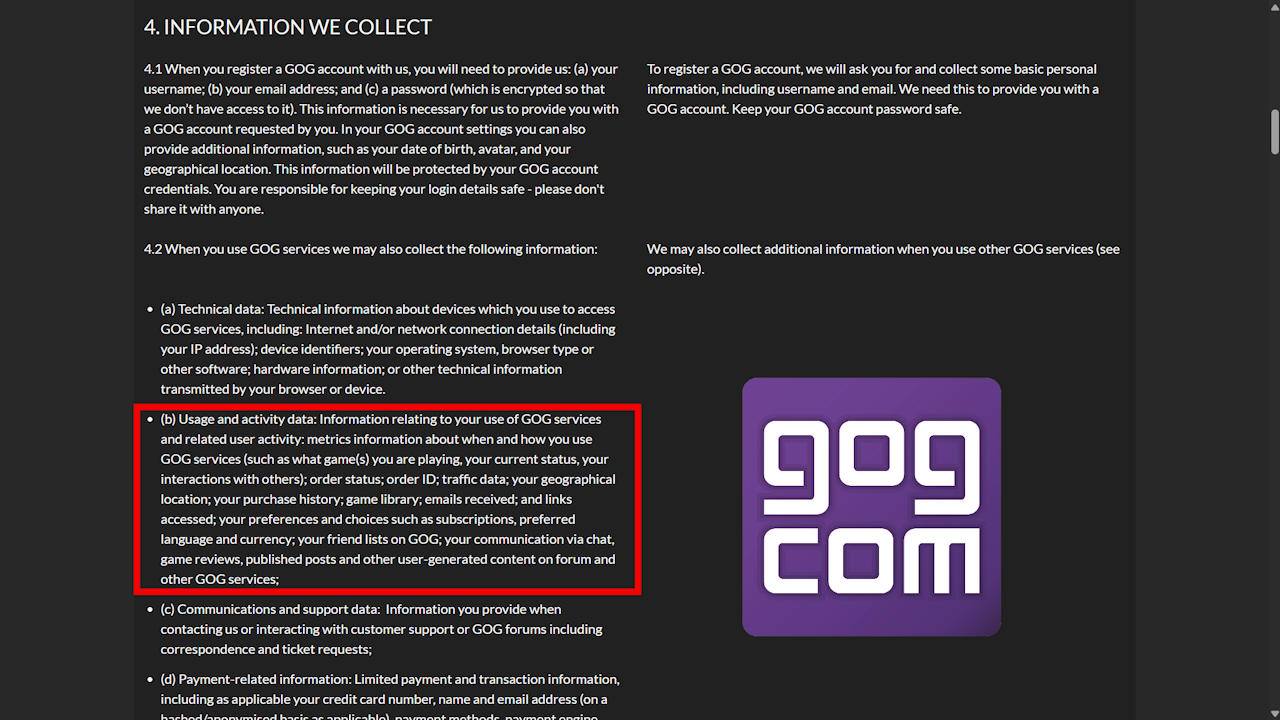
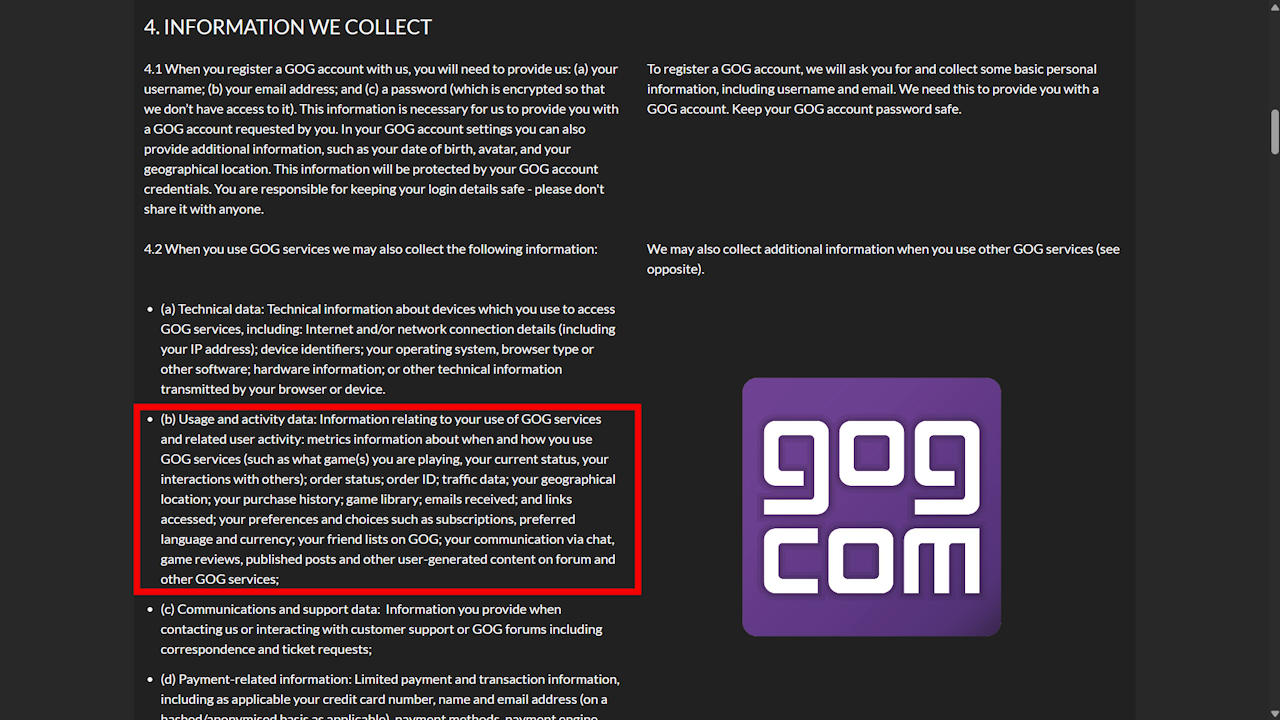
Excerpt from GOG’s privacy policy. The red highlight shows just how broad these policies can be—not even chats and conversation histories are exempt.
In the future, they want you paying forever
The games industry could, in theory, be happy with the status quo. Player data and live-service models already bring in billions when a title takes off. But the big players still haven’t reached their final destination: making you pay for as long as you actively play a game. The road there runs through cloud gaming and subscription services like Xbox Game Pass, EA Play, or Ubisoft+.
The wet dream of a greedy publisher is to combine both, but customers wouldn’t go along with that just yet. So the industry rolls out these changes step by step, slowly softening consumers up.
Why do you think Game Pass was so cheap in its early days? Simple: first you need to put some fat chunks of cheese in the mousetrap. That was very likely the strategy. Once the paying cattle have grown used to the perks of the subscription, the odds go up that they’ll stick around even after the price hikes start. And those hikes are introduced carefully, too—inch by inch. Eventually, the cattle will swallow even high prices. Especially once there are no alternatives left.
Big publishers want to push Buy2Play aside
Given that trajectory, I’m convinced gaming subscriptions are a major step toward a world where Buy2Play gets pushed further and further to the margins. After all, there’s still way more money to squeeze out of our appetite for video games than the industry is already making.
From the suits’ perspective, there’s just one problem: piracy. As long as cracks and warez exist, alternatives exist too. Warez give players a way to break free from the chokehold of money-hungry publishers. They let people protect their privacy and flip the bird to unfair monetization schemes. Which leaves publishers with one question: how do they get rid of those alternatives?
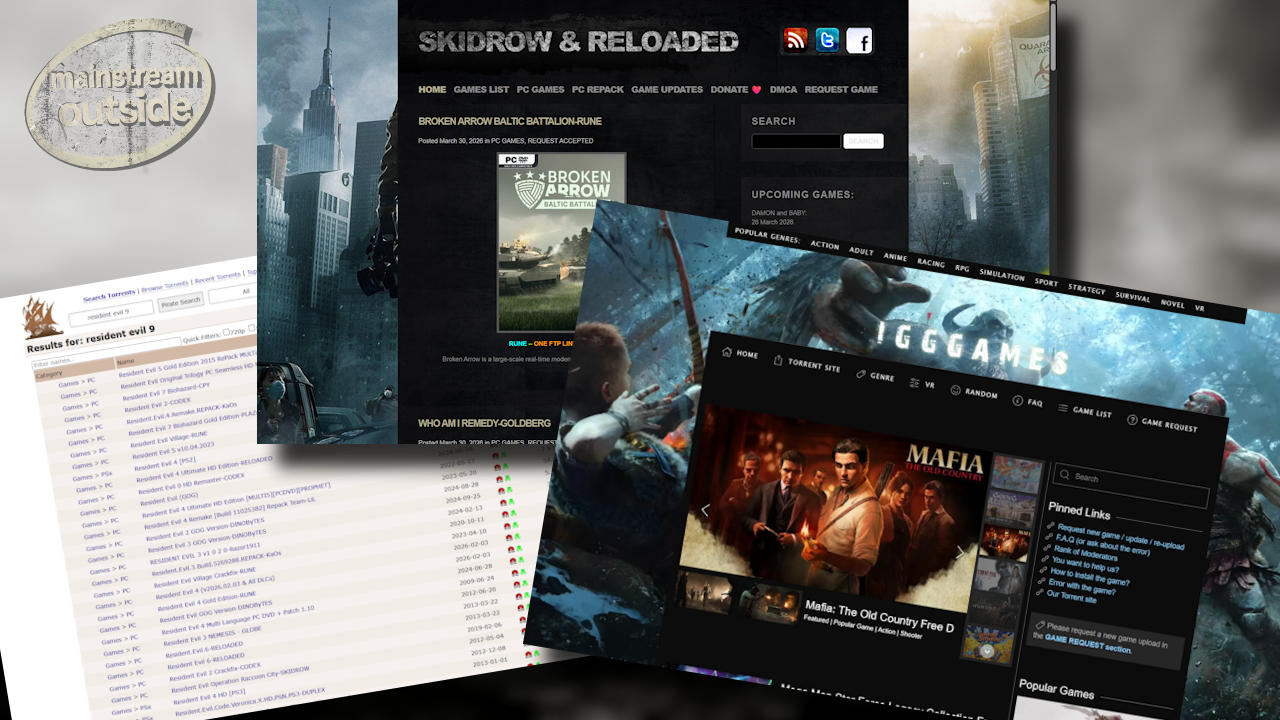
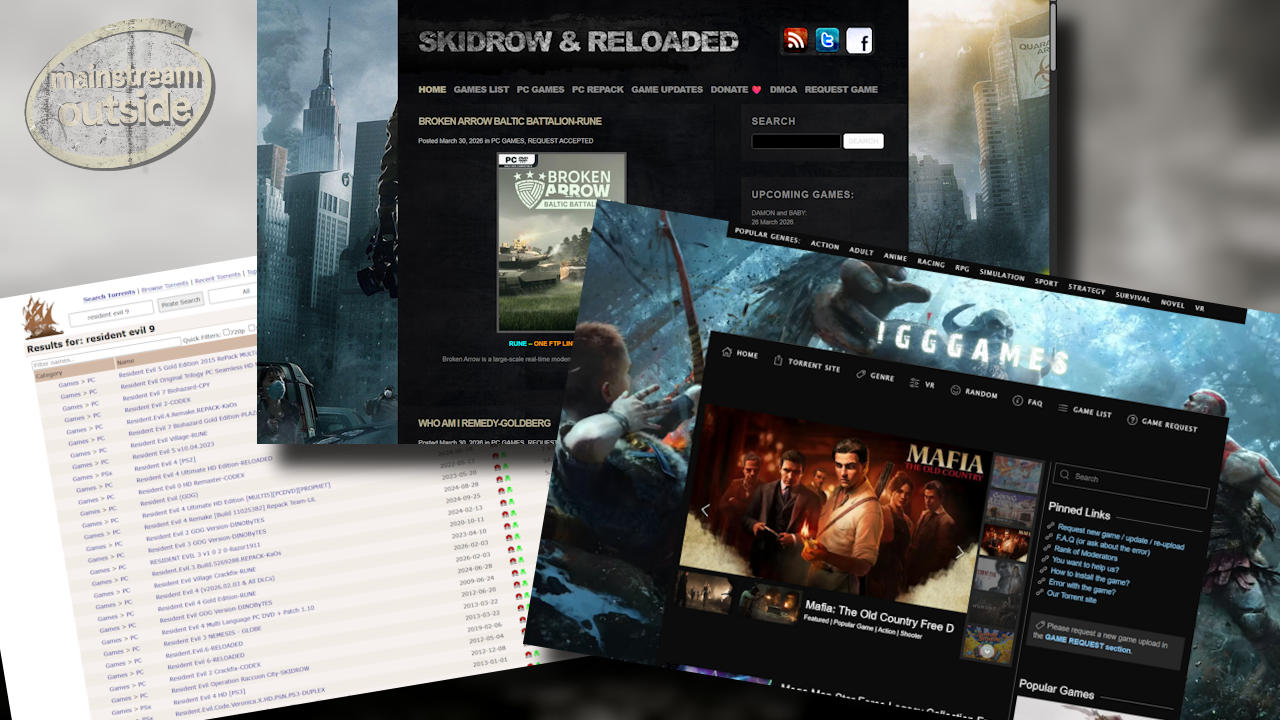
A few well-known warez websites in March 2026. A friend took the screenshots.
Well, how about cloud gaming? The great thing about gaming in the cloud—or so Amazon, Microsoft, Nvidia, and company would have you believe—is that it puts the power of a high-end PC right under your ass. No more worrying about weak hardware; in the cloud, you can crank the graphics all the way up.
The downside for customers is that they no longer have anything "in hand" at all. Games are streamed from servers, so no data ever lands on your local drive. Modding? In a future like that, it would become drastically harder and probably be reduced mostly to official channels. And how exactly are crackers supposed to do cracker things when there’s no data to work with anymore? Right: cloud gaming could solve all of publishers’ problems in one stroke. If customers also embraced subscription models, it would be the ultimate publisher fantasy.
Personally, I’d rather root for customer fantasies—and you?
Thankfully, indie games are on the rise
Looking at that possible future of restrictive clouds and expensive subscriptions, I’m glad AAA games no longer call all the shots by themselves. More and more people seem to be realizing that games from independent studios are often simply more fun. Compared to bloated big-budget productions, they tend to be more experimental, more interesting, more free-spirited, more consumer-friendly—and they keep getting better, too.
I’d be lying if I said the rise of indie games doesn’t worry me a little. Indie developers are people too (😉), and success has a habit of going to our heads. If indie ever became the new AAA, some of the same old problems could eventually reappear. Even so, an endless cycle of one side rising while the other declines would probably still be easier to stomach than seeing the big players fully realize their vision.

Read next:
Comments