
Gaming without battle passes.
Takes without paywalls.
And stories without reposts.

Broken Dagger & AI: More Transparency, Please — but Maybe Fewer Witch Hunts, Too
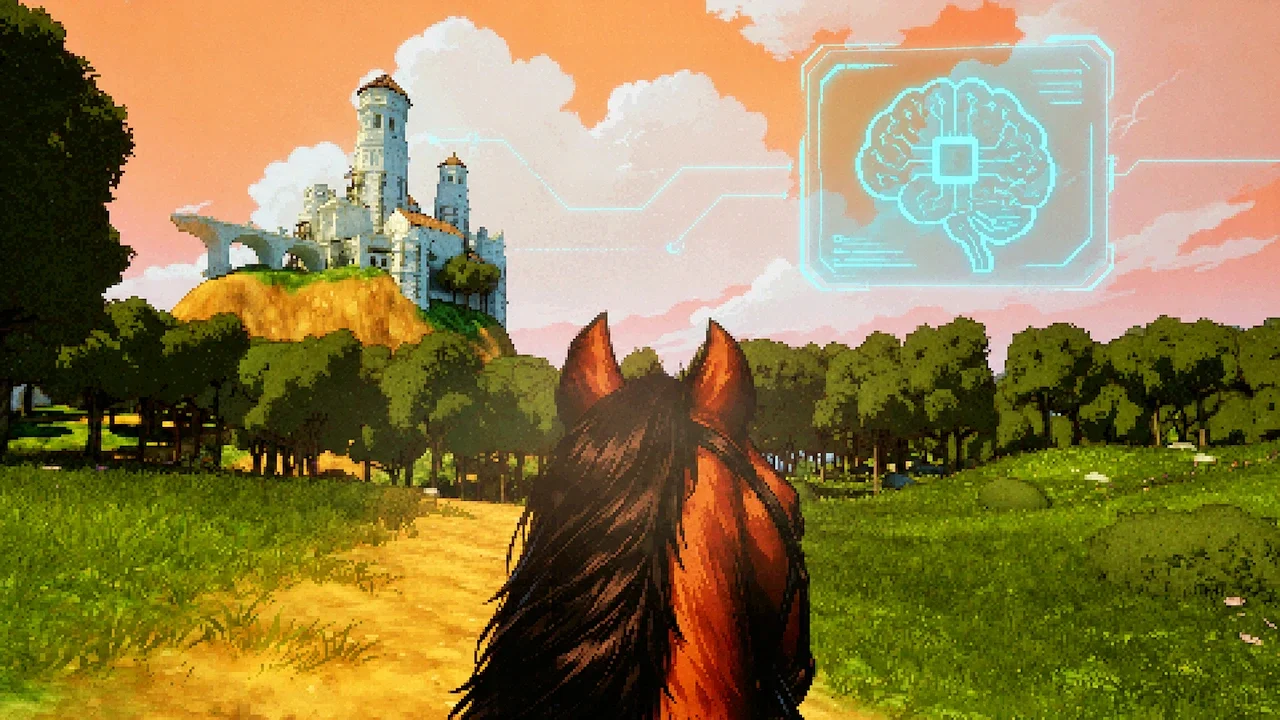
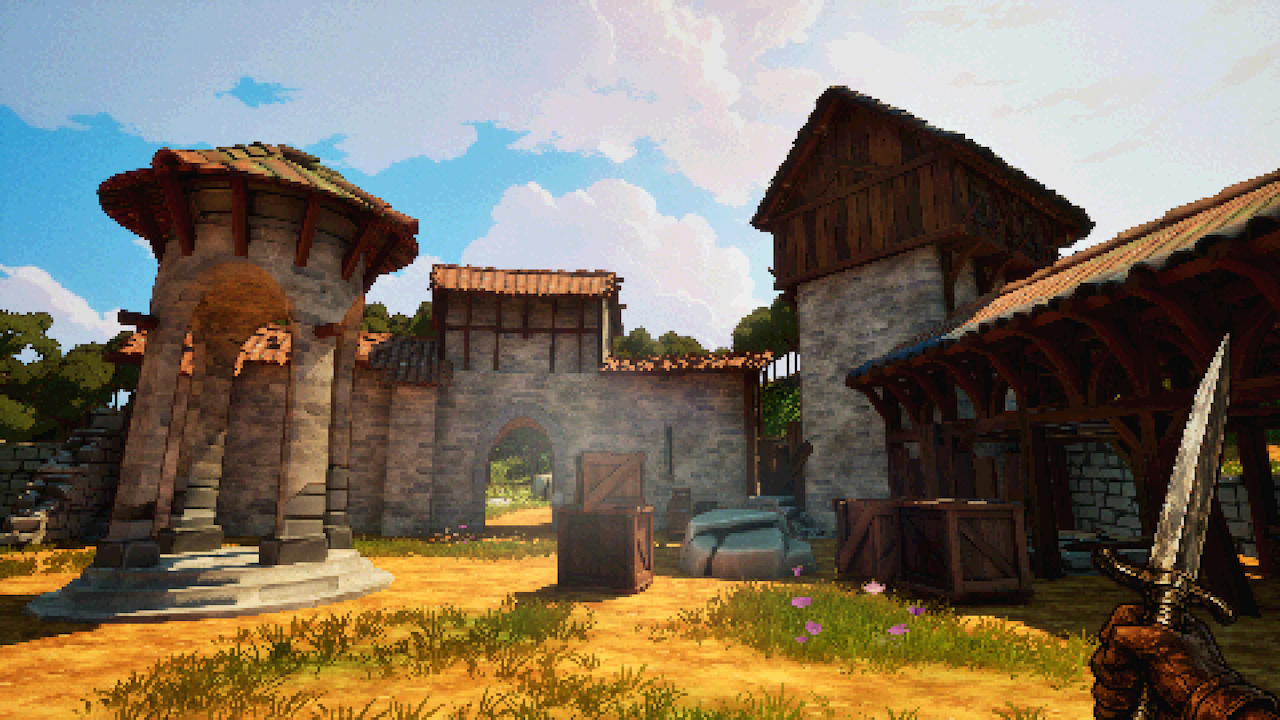
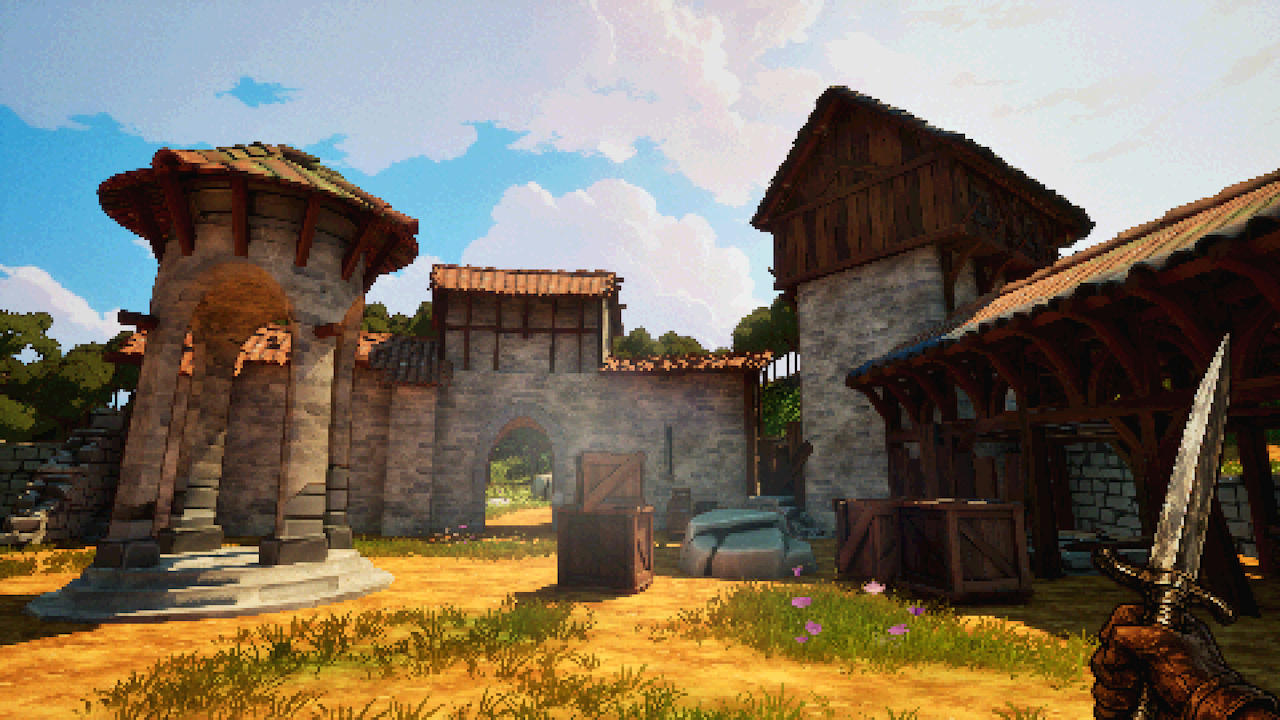
Broken Dagger, an RPG inspired by The Elder Scrolls 2: Daggerfall, now has a Steam page—the developer, Electro Soul Games, recently announced. Meanwhile, the team is being accused of failing to disclose that generative AI was used during development. Does that justify the witch hunt that followed?
While digging through my PR inbox today, one subject line stopped me cold: Broken Dagger, a role-playing game inspired by Bethesda’s Daggerfall, now has its own Steam page. Daggerfall—now there’s a name that makes my sword hand twitch. Because what fan of open-world RPGs doesn’t know, and maybe even love, this playable synonym for glorious overreach?
There’s never really been another piece of software like Daggerfall. It wasn’t just an RPG; it was a procedural fantasy simulator on an utterly ridiculous scale. So yes, I’m happy whenever a brave development team wants to carry on the legacy of Julian LeFay, Ted Peterson, and company.
Ironically, Broken Dagger takes its cues from a game whose enormous world, even back in 1996, wasn’t built by Bethesda placing every dungeon brick with tweezers. Daggerfall was huge because algorithms took over work that humans could barely have handled at that scale. Of course, procedural generation isn’t the same thing as generative AI. But both raise the same awkward question: how much handcraft does a game need before it still counts as "real"?
What’s going on with Broken Dagger?
In classic "shoot first, ask questions later" fashion, one user tore into the makers of Broken Dagger on the game’s Steam forum. According to the accusation, some assets were created with the help of generative AI, without the product page making that clear. The user also claimed that a moderator had deleted their earlier threads on the same topic.
Developer "eugene" responded to the uproar shortly afterward. He accused the thread starter of previously calling Broken Dagger "AI slop" without providing evidence. The user had also allegedly insulted Electro Soul Games in YouTube comments, which is why the team decided to delete the latest round of attacks.
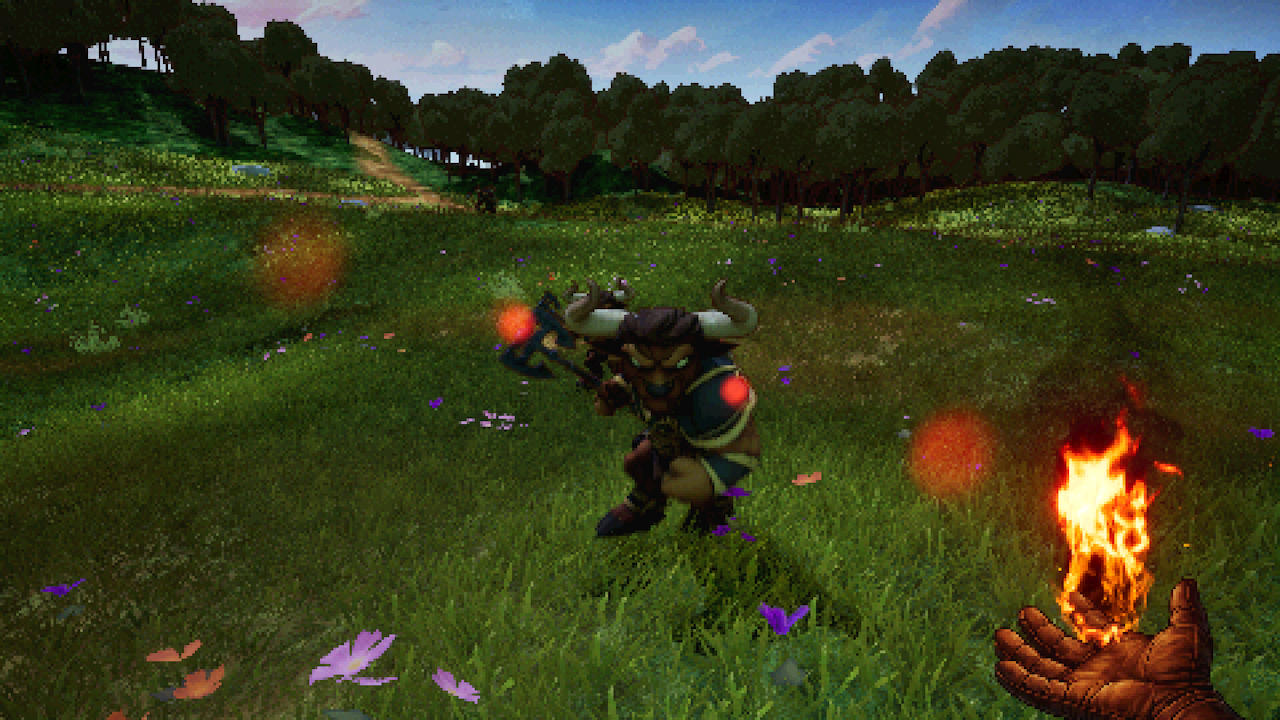
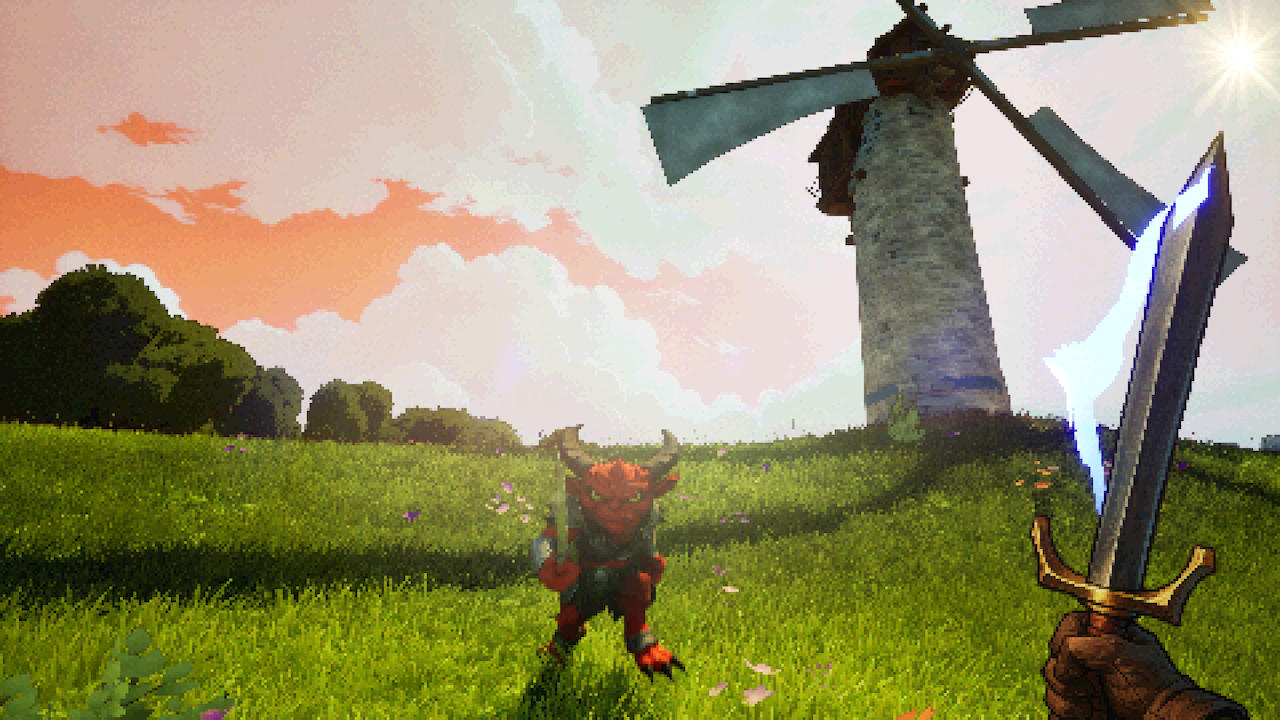
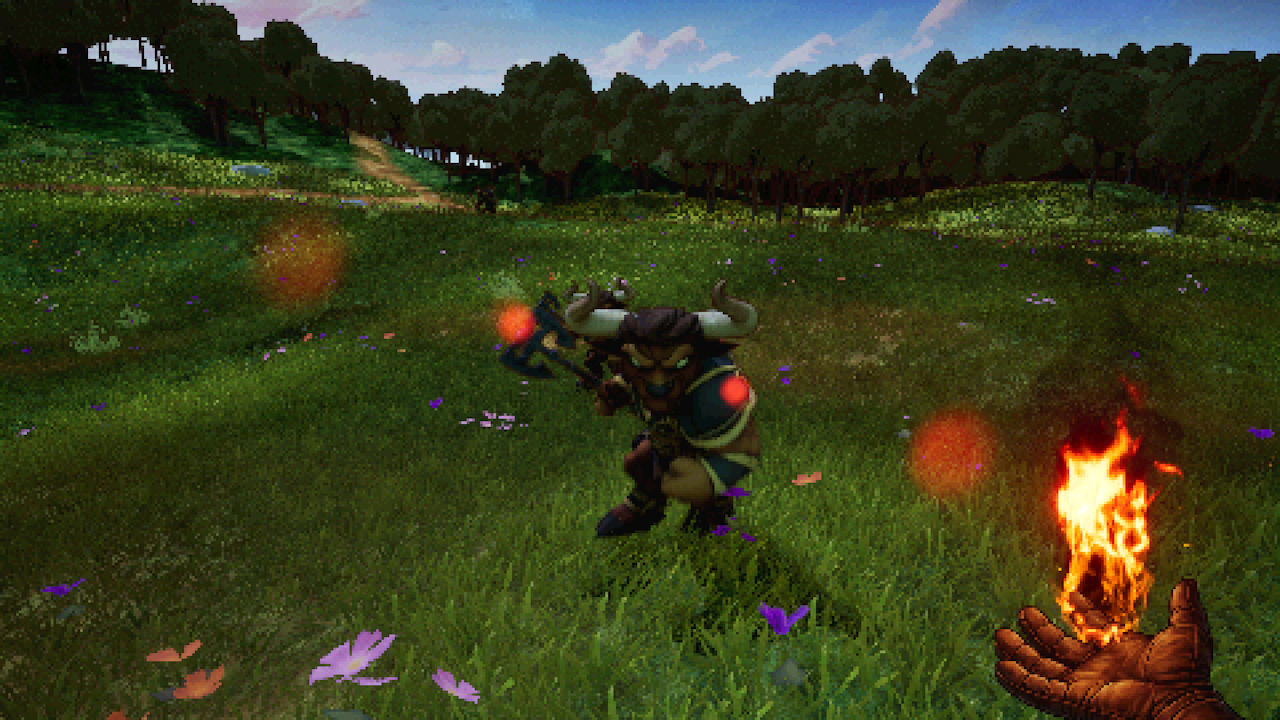
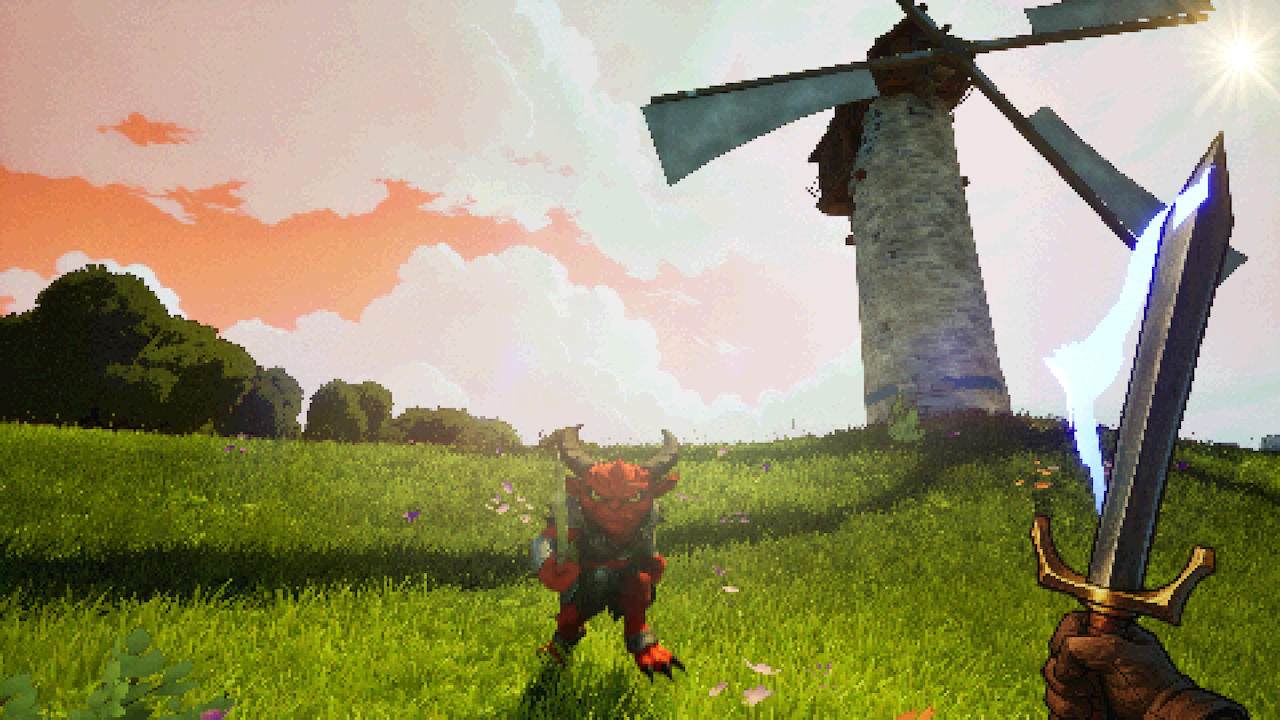
In his reply, eugene also linked to several iterations—or, more plainly, work-in-progress screenshots. Those didn’t really address the issue, though, since they didn’t show how the criticized NPC models and weapon sprites were created. Still, eugene did admit that generative AI had been used for NPC prototyping, though the team—according to him—had to heavily rework the rather poor results.
Was this dagger-wielding hand created by generative AI? If you take the developer at his word, it was made by a human.
The developer also said that Electro Soul Games is a very small team that uses AI as well as premade asset packs to speed up production. Despite these and several other fairly transparent replies, the "discussion" kept heating up—until, on the user side, it slid into the usual factional shouting match, complete with a "woke" subplot. But that’s not what this piece is about.
AI disclosures on Steam aren’t entirely up to the devs
As for the criticism that Broken Dagger allegedly failed to disclose its AI use, it’s worth pointing out that the relevant notice on Steam product pages apparently isn’t a free-form warning label developers can simply slap on themselves. Instead, it’s based on the Steam Content Survey, which developers have to complete before their store page and build are reviewed.
Developers are required to disclose any use of generative AI. Steam distinguishes, among other things, between pre-generated AI content—such as artwork, code, or audio created with AI assistance during development—and content generated by AI while the game is being played.
Since Broken Dagger’s store page doesn’t show such a notice, several scenarios are possible:
- Electro Soul Games made no AI disclosures, or not enough of them
- The disclosures were accurate, but Steam didn’t think a public AI notice was necessary
- Steam judged the AI use to concern only internal workflow or prototyping steps
- Steam reviewed the disclosures, but didn’t trace the exact origin of every asset in detail
From Steam’s perspective, a public AI notice seems to matter when generative AI has created content players can actually see or hear in the game, on the store page, or in marketing. Pure workflow assistance is different from a visible AI-generated asset.
So it’s hard to aim a clear accusation at the creators of Broken Dagger based on the missing notice alone. The sharper question would be: was the Content Survey filled out fully and accurately—and how reliably can Steam check those disclosures case by case? Without seeing the submitted answers or Valve’s review process, the missing AI notice on the product page isn’t proof. It’s an open question.
The prototype for this enemy could have been spat out by an AI.
Is AI art automatically theft?
In a later post, the "lead prosecutor" revealed himself as a conditional opponent of AI by claiming that AI art is fundamentally theft. More precisely, he argued that generative algorithms steal from the work of human artists and stitch it together into Frankenstein-like art. For that reason, AI use isn’t just a technical issue, but a moral one. Fair enough. But can we really call what AIs do stealing?
To produce good results, artificial intelligences first have to be trained—obviously. A bit like newborns, who need heaps of input before they can find their way around our world. Both AIs and children learn from copyrighted material, and that matters.
Because if you only fed them license-free material or public-domain works, you’d end up with narrower, weaker, or less up-to-date AI models. By the same logic, restricting learning material would limit a child’s intellectual horizons.
We all learn from copyrighted works, then, and we’re free to be inspired by them. It’s perfectly fine to use a Judas Priest guitar riff as the basis for a "new" riff—as long as we don’t copy it. It’s just as legal to use a Salvador Dalí painting as a source of ideas or as a stylistic foundation. After all, Dalí didn’t invent Surrealism either. Its trailblazers even included writers like André Breton and parts of Sigmund Freud’s work. And others came before them, too.
Fighting generative AI is basically tilting at windmills. Its use, however, raises social and ethical questions.
"There is no such thing as a new idea"
Mark Twain once argued that no idea is ever completely new. Instead, ideas are creative recombinations of elements that already exist. In art and philosophy, it’s now a familiar thought that one work builds on another. Couldn’t we therefore say that humans, too, basically steal from other people’s work? Maybe we could—but we don’t want to. After all, that would make our own contribution look a lot smaller.
Seen from that angle, the blanket accusation that AI equals theft feels shaky to me. Not because copyright doesn’t matter, but because creative work has always built on earlier works, styles, techniques, and ideas.
Artificial intelligences use experience—meaning databases, "original works," and other information—to create something "new" from it, just like humans do. Some AIs may also plagiarize, just like humans do. Incidentally, AIs themselves are art, too—human-made art that creates, among other things, more art.
So why should AI art be treated as fundamentally different from our own? I don’t see a blanket reason for that. I do, however, see very good reasons to look closely when specific works are copied, artists’ styles are deliberately strip-mined, or buyers are kept in the dark.
Behind the anger, there’s probably a fear of change
The course and content of the Steam discussion around Broken Dagger strongly suggest that this is really about more than the alleged failure to disclose AI content. And that’s understandable, because AI is here to stay—and it has already reshaped many areas of our lives, including video games and how they’re made.
As a rule, we humans don’t like change, apart from things like bigger paychecks or world peace. Anything new gets side-eyed at first, which also means the pros and cons don’t always get weighed fairly.
When the CD was about to replace the good old vinyl record in the 1980s, a lot of people weren’t happy about it. Me included, by the way. Vinyl records had big, detailed covers; often illustrated gatefolds, too, and sometimes printed inner sleeves. Now and then, even the records themselves were printed picture discs.
In other words: there was a lot to discover, and the little CD, with its modest booklets, couldn’t compete on that front. On the other hand, CDs took up very little space and sounded much better than hissing, crackling vinyl, so the silver disc eventually won out. Until MP3 came along, and then you didn’t hold anything in your hands at all. Still, everything has its upsides and downsides; and AI, hand on possibly heavy heart, offers huge advantages for game development.
I can understand both sides
Either way, I can absolutely understand why some gamers want AI labels on store pages. We’re talking about customers who pay money for a game and want to know about any potential "development boosters" so they can better judge the value for money. Others simply care about consuming entertainment made by humans. A preference that, as far as I’m concerned, is beyond reproach.
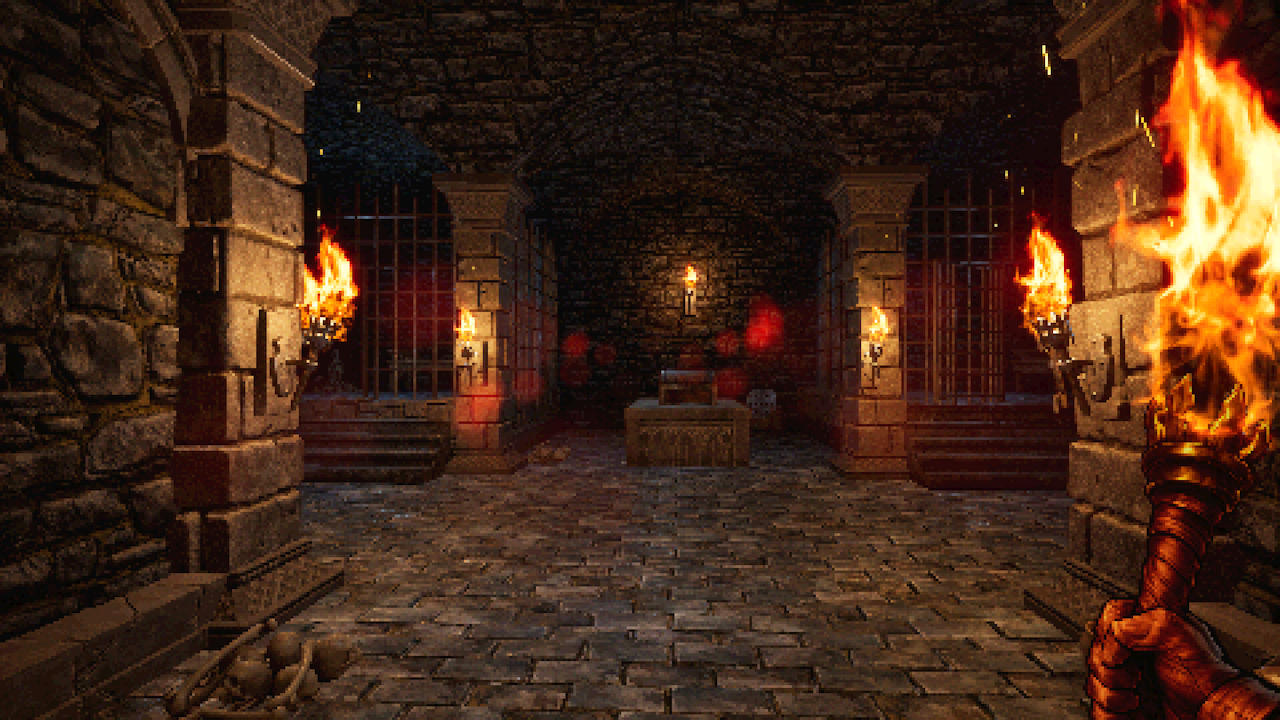
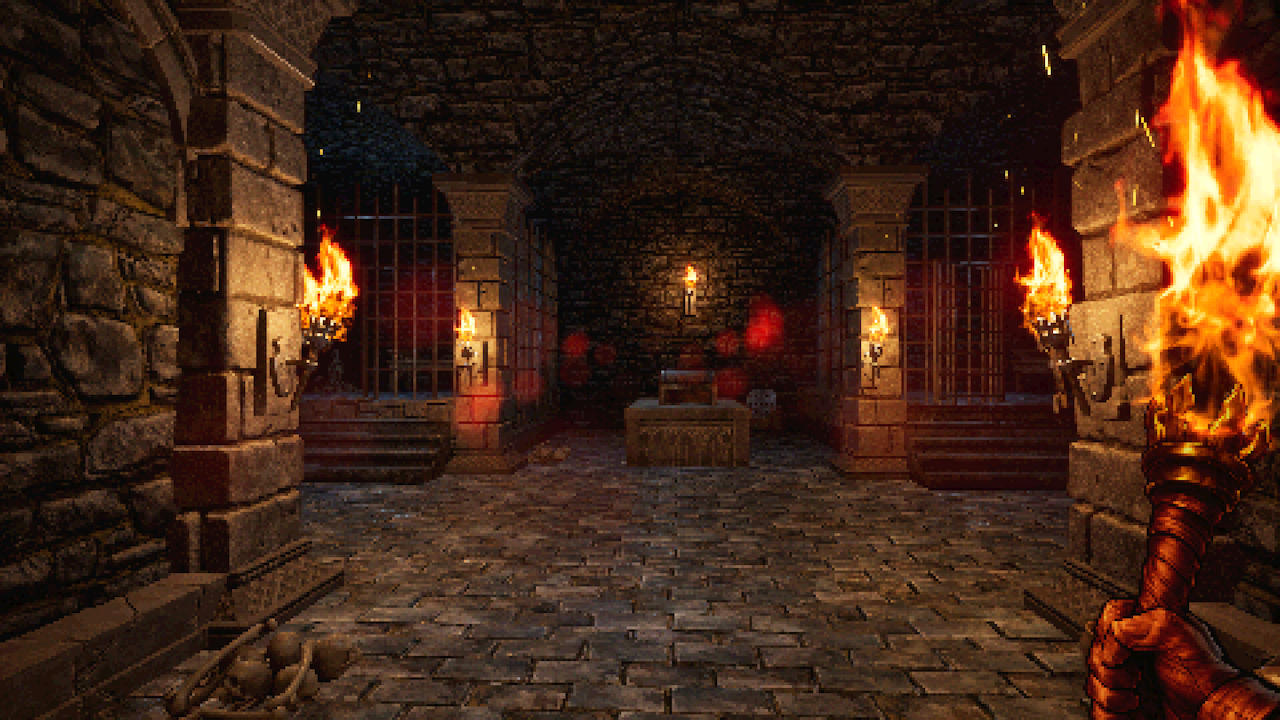
Broken Dagger also uses handmade assets, probably including this dungeon.
Given what I’d call an acceptance problem, I could also understand the approach critics suspect Electro Soul Games may have taken. Because if the studio made false AI disclosures in the Steam Content Survey, it’s entirely possible it did so to avoid "discussions" like the current one. The studio may also have feared that disclosure would hurt sales, but should honesty on this front really be "punished" like that?
Personally, what I care about most is whether a game entertains me. Whether an AI helped make that happen is, in principle, pretty irrelevant to me. In game development, artificial intelligence is a tool that lets small teams build games on a large scale. AI even makes endless adventures possible, as we can already see in several examples.
So instead of fighting over the use of AI in game development, we—especially as gamers who love immersion—should welcome the possibilities it brings. I touch on that topic, among others, in this article. Above all, we shouldn’t forget that a handful of developers are making the effort to bring back the feel of a roughly 30-year-old game with Broken Dagger.
Side note:
Julian LeFay and Ted Peterson have actually taken up the Daggerfall legacy themselves: with The Wayward Realms, the veteran developers currently have a spiritual successor to the second The Elder Scrolls in the works. The game is set to launch on Steam Early Access first—the release date is still unknown.

Read next:

Comments